How Profitable Is a Mini Excavator Dealership?
Release time:
2026-07-18
Explore how profitable a mini excavator dealership can be. Learn about dealer revenue streams, startup costs, profitability factors, and how choosing the right manufacturer partner can support long-term business growth.
How Profitable Is a Mini Excavator Dealership?
The global construction equipment market continues to expand, with mini excavators emerging as one of the most sought-after machine categories across North America, Europe, Australia, and developing regions. For entrepreneurs and established equipment distributors, the question "mini excavator dealership profit" is not a simple yes-or-no calculation—it depends on a complex interplay of product sourcing, market positioning, operational efficiency, and manufacturer partnership. While the demand for compact excavators remains robust across urban construction, landscaping, agriculture, and rental sectors, profitability in this business is earned through strategic planning, diversified revenue streams, and a deep understanding of local customer needs. This article provides a comprehensive, data-driven analysis of the mini excavator dealer business opportunity, helping potential dealers evaluate the opportunity, understand the costs, and identify the key success factors that separate thriving dealerships from those that struggle.
For dealers evaluating potential suppliers, choosing the right manufacturing partner is equally important as understanding market demand. Companies working directly with experienced mini excavator manufacturers can often achieve better cost control, product consistency, and long-term growth potential.
Where Does Mini Excavator Dealer Profit Come From?
One of the most common misconceptions about equipment dealerships is that profit comes solely from the margin on machine sales. In reality, successful mini excavator dealers build a diversified revenue portfolio. The most profitable dealerships treat each machine sale as the beginning of a long-term customer relationship rather than a one-time transaction. Below are the primary revenue streams that contribute to mini excavator dealer profit margin:
- New Machine Sales: The most visible revenue source. Dealers purchase mini excavators from manufacturers at wholesale prices and sell them at retail prices. The margin varies significantly depending on the brand, model popularity, and negotiation power. Direct manufacturer partnerships typically offer better margins than trading through intermediaries.
- Equipment Financing and Customer Solutions: Successful dealers often improve sales conversion by helping customers access suitable purchasing options and machine solutions. Flexible financing partnerships, leasing options, or rental-to-own programs can make mini excavators more accessible to local buyers.
- Spare Parts and Consumables: This is often the most consistent and high-margin revenue stream. Mini excavators require regular maintenance—filters, hydraulic hoses, undercarriage components, buckets, and other wear parts. Customers who buy machines from a dealer are highly likely to return for genuine parts, creating a recurring revenue cycle that smooths out the seasonality of new equipment sales.
- Attachments and Implements: Modern mini excavators are versatile platforms that accept dozens of attachments—augers, breakers, grapples, compactors, tilt buckets, and couplers. Attachment sales often carry margins higher than the base machines and represent an excellent upsell opportunity during the purchase process.
- Rental Opportunities: Many dealers operate a rental fleet alongside their sales business. Renting mini excavators provides a steady income stream, introduces new customers to the equipment, and often converts renters into buyers. Dealers who capture this segment can explore mini excavator rental business opportunities as a complementary profit center.
- After-Sales Service and Repairs: Offering maintenance, repair, and warranty services not only generates direct revenue but also strengthens customer loyalty. A dealership with a well-equipped service workshop and trained technicians commands higher customer retention and can charge premium rates for specialized repairs.
Diversifying across these revenue streams protects the dealership against market fluctuations. When new machine sales slow down, parts, service, and rental income can sustain the business. This multi-channel approach is the foundation of sustainable mini excavator dealership profit.
How Much Profit Can a Mini Excavator Dealer Make?
Rather than quoting a fixed percentage or dollar figure—which would be misleading given the wide variation in markets, brands, and business models—it is more useful to examine the factors that directly influence profitability. The table below outlines the key variables that determine how much profit a dealership can realistically generate:
| Profit Factor | Impact on Profitability | Dealer Strategy |
|---|---|---|
| Purchase Price from Manufacturer | Directly determines gross margin per unit. Lower purchase costs allow competitive pricing or higher margins. | Negotiate volume discounts, secure exclusive territorial rights, and build long-term supplier relationships. |
| Local Selling Price & Market Positioning | Premium brands command higher prices but face stiffer competition. Value-for-money brands may sell more units with lower per-unit margins. | Research local pricing benchmarks. Position your dealership based on service quality rather than price alone. |
| Market Competition | High dealer density in a region compresses margins. Underserved regions offer higher profit potential. | Choose a territory with manageable competition, or differentiate through superior after-sales support. |
| Customer Demand & Application Segments | Different customer segments (construction, agriculture, landscaping, rental) have varying price sensitivities. | Tailor your inventory and marketing to the highest-demand segments in your area. |
| Marketing & Sales Capability | Dealers who effectively generate leads and convert prospects achieve faster inventory turnover and better cash flow. | Invest in digital marketing, local networking, and a knowledgeable sales team. |
| Supplier Support & Incentives | Manufacturers that provide co-op marketing, training, warranty coverage, and volume bonuses enhance dealer profitability. | Partner with a manufacturer that offers comprehensive dealer support, not just low prices. |
Dealer margins vary significantly depending on market conditions, brand positioning, purchasing volume, and operating costs. Many successful dealers improve profitability not only through machine sales, but also through recurring revenue sources such as spare parts, attachments, maintenance, and rental services. The most successful dealers focus not on chasing the highest per-unit margin, but on optimizing their overall business operations to achieve healthy net profits while delivering genuine value to customers.
What Are the Startup Costs for a Mini Excavator Dealership?
Launching a mini excavator dealership requires a significant but manageable upfront investment. The exact amount varies widely based on location, scale, and the manufacturer you partner with. Understanding the mini excavator dealership investment cost is essential for financial planning and securing appropriate funding. Below are the primary cost categories:
- Initial Machine Inventory: This is the largest single expense. Some manufacturers may recommend initial inventory levels based on market conditions, while flexible suppliers allow dealers to start with selected models and gradually expand. Some manufacturers offer floor-plan financing to ease this burden.
- Warehouse or Storage Facility: You need secure, weather-protected space to store inventory, parts, and attachments. Options include leasing an industrial unit, purchasing a property, or using an outdoor yard with security measures.
- Transportation & Logistics: Delivering machines to customers requires a truck or trailer capable of hauling mini excavators. A new transport truck with a suitable trailer represents a significant investment, while used options are available at lower prices. Alternatively, you can outsource delivery to third-party logistics providers.
- Marketing & Sales Expenses: Building brand awareness and generating leads requires investment in a professional website, search engine optimization (SEO), digital advertising, brochures, trade show participation, and local networking activities.
- Sales Team & Staffing: You will need at least one or two sales representatives, plus administrative staff for order processing and customer inquiries. Personnel costs often represent the second-largest expense after inventory.
- Service Support Equipment: To provide after-sales service, you will need diagnostic tools, specialized workshop equipment, and a service vehicle for field repairs.
- Legal & Administrative Setup: Business registration, licenses, insurance (product liability, property, and vehicle insurance), and legal fees.
It is worth noting that many successful dealers start on a smaller scale and reinvest profits to expand gradually. You do not need to invest in a full fleet of demonstration machines or a large warehouse on day one. A phased approach—starting with a few popular models, a basic workshop, and a strong online presence—allows you to test the market and grow sustainably.
Before committing, it is also wise to review the mini excavator dealer requirements set by potential manufacturing partners, as these often include minimum order quantities, performance targets, and facility standards that will influence your startup budget.
Factors That Affect Mini Excavator Dealership Profitability
Beyond startup costs and revenue streams, several operational and strategic factors have a profound impact on long-term profitability. Dealers who pay close attention to these elements consistently outperform their competitors.
Choosing the Right Machine Models
Not all mini excavators are created equal, and not every model suits every market. A dealership located in a densely populated urban area may find higher demand for ultra-compact models (1–2 tons) that can navigate tight job sites, while dealers serving agricultural or construction markets may require different size classes depending on local applications. Offering the wrong mix of machines leads to slow inventory turnover, increased holding costs, and lost sales opportunities. Successful dealers study their local market thoroughly—talking to contractors, landscapers, and rental companies to understand their specific needs. To explore the range of options available, review the mini excavator product lineup and consider which configurations (standard tail swing, zero tail swing, short radius) and auxiliary hydraulic options are most relevant to your target customers.
Selecting a Reliable Mini Excavator Manufacturer
The manufacturer you choose as your supply partner is arguably the most critical decision in your dealership journey. A reliable manufacturer provides more than just competitive pricing—they offer consistent product quality, robust spare parts availability, responsive warranty support, and technical assistance. These factors directly affect your dealership's reputation and, consequently, your ability to command premium prices and retain customers. Dealers who partner with manufacturers known for reliability and transparency build trust more easily and face fewer after-sales disputes. For a detailed framework on evaluating potential partners, refer to this guide on how to choose a mini excavator manufacturer, which covers factory audit criteria, quality control processes, and supply chain reliability indicators.
Understanding Local Customer Demand
Profitability is ultimately driven by how well you serve your customers. The most successful dealers segment their market and tailor their approach accordingly. Key customer groups include:
- Construction Contractors: They need reliable machines for trenching, foundation work, and site preparation. They value durability, low operating costs, and quick service turnaround.
- Landscaping Companies: They require compact, maneuverable machines for garden design, tree planting, and hardscaping. They often prefer zero-tail-swing models and a range of attachments.
- Farmers and Agricultural Users: They use mini excavators for drainage work, fence installation, and material handling. They value versatility and ease of maintenance.
- Rental Companies: They prioritize fleet durability, ease of operation, and low maintenance costs, as their machines face frequent use by diverse operators.
Understanding these distinct needs allows you to stock the right models, offer relevant attachments, and communicate value propositions that resonate with each segment. This customer-centric approach not only boosts sales but also enhances your dealership's reputation as a trusted local expert.
Developing effective local sales channels is another key factor in dealership growth. Dealers need a clear strategy for reaching contractors, rental companies, and other potential buyers in their region. For a more detailed guide, you can read our article on mini excavator sales strategy.
How to Improve Your Mini Excavator Dealership Profitability
Profitability is not a static outcome—it is a continuous process of improvement. Whether you are a new dealer or an established distributor, the following strategies can help you strengthen your financial performance:
- Start with a Suitable Inventory: Avoid the temptation to stock every model available. Begin with 3–5 proven models that match the most common applications in your market. Monitor sales velocity and adjust your inventory mix quarterly. Slow-moving units should be discounted or returned to the manufacturer if possible. Managing inventory effectively is one of the most important factors affecting dealer profitability. New dealers should carefully balance product availability with cash flow management. A practical inventory strategy helps reduce financial pressure while ensuring customers can access the right machines. For more insights, see our guide on mini excavator inventory strategy.
- Focus on Popular, High-Demand Models: While niche machines can offer higher margins, they also carry higher inventory risk. Balance your portfolio with at least one or two "workhorse" models that are widely accepted in your region.
- Build Long-Term Customer Relationships: A customer who buys a machine from you is a customer for life—if you treat them well. Offer periodic check-ups, loyalty discounts on parts, and priority service scheduling. Word-of-mouth referrals from satisfied customers are one of the most cost-effective marketing channels.
- Provide Technical Support and Training: Customers appreciate dealers who can teach them how to operate and maintain their machines. Offering basic operator training, maintenance workshops, and online video tutorials adds value and differentiates your dealership from competitors.
- Develop Local Marketing Channels: Beyond digital marketing, invest in local trade shows, construction industry events, and partnerships with complementary businesses (e.g., trailer dealers, hydraulic repair shops, attachment suppliers). A strong local presence builds brand recognition and trust.
- Optimize Your Parts and Service Operations: A well-stocked parts department with fast delivery times is a significant competitive advantage. Implement a digital inventory management system to track parts usage and reorder efficiently. Consider offering service contracts that provide regular maintenance visits—these generate predictable recurring revenue.
- Leverage Manufacturer Support Programs: Many manufacturers offer co-op marketing funds, demonstration unit allowances, and training subsidies. Make sure you are fully utilizing all available support to reduce your operating costs and enhance your sales capabilities.
Why Choose YHMG as Your Mini Excavator Partner?
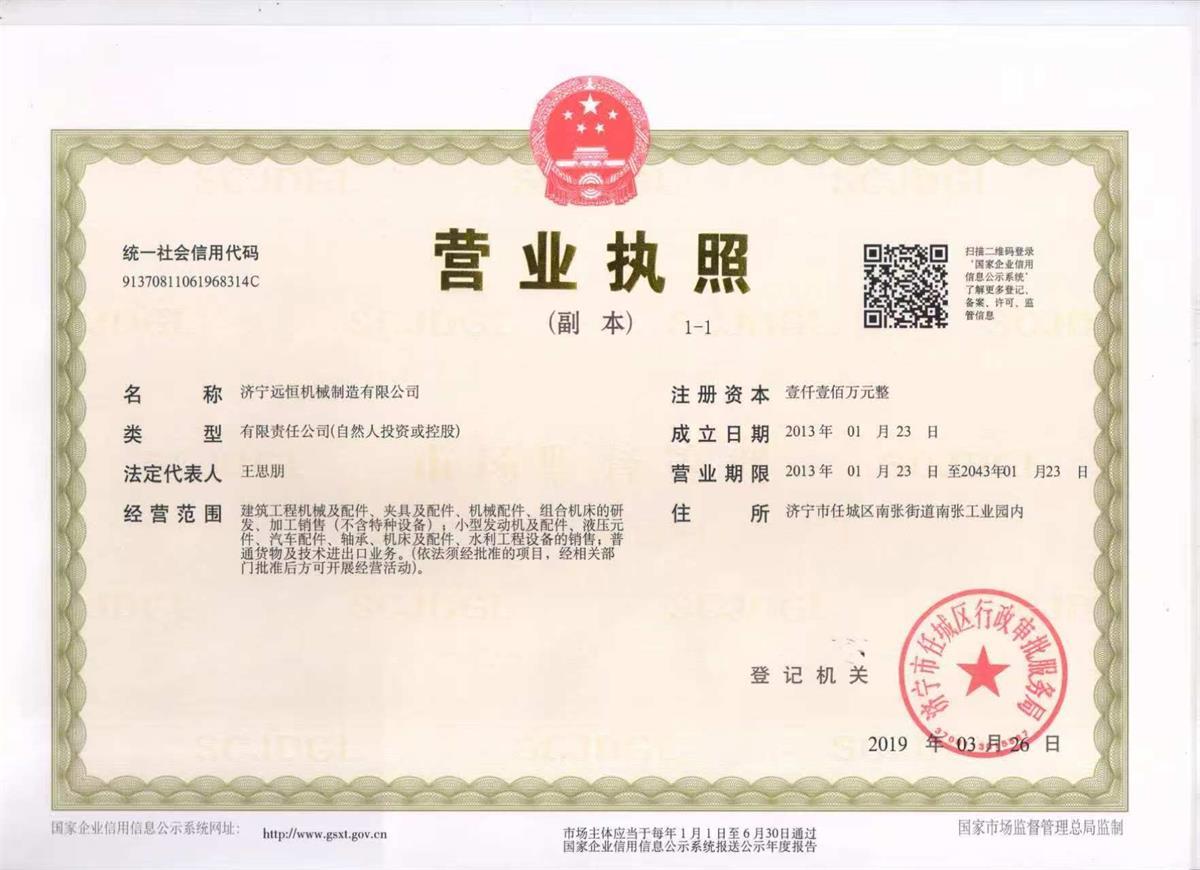
YHMG (Jining Yuanheng Machinery Manufacturing Co., Ltd.) is a Chinese manufacturer with a proven track record in the global mini excavator market. With years of production experience and a commitment to quality, YHMG offers a compelling value proposition for dealers seeking a reliable and responsive supply partner.
As a direct manufacturer, YHMG provides dealership partners with competitive wholesale pricing that supports healthy mini excavator dealer profit margins. Unlike trading companies that add layers of cost, YHMG's direct supply chain ensures that dealers receive high-quality machines at factory-direct prices, giving them more flexibility in pricing and margin management.
By working directly with YHMG, dealers can communicate with the production team, receive technical support from the factory, and develop product solutions based on their local market requirements.
YHMG's product portfolio covers a range of compact excavator models suitable for various applications. This variety allows dealers to meet the diverse needs of construction, landscaping, agricultural, and rental customers. Moreover, YHMG offers OEM customization capabilities, enabling dealers to order machines with specific paint colors, decals, and accessory packages that differentiate their offerings in the local market.
Spare parts availability is a cornerstone of any successful dealership, and YHMG excels in this area. With a dedicated parts supply chain and a comprehensive inventory of genuine components, YHMG ensures that dealers can support their customers with fast, reliable parts delivery—reducing machine downtime and enhancing customer satisfaction. Technical assistance, warranty support, and training resources are also part of the dealer package, helping partners build their after-sales service capabilities with confidence.
YHMG's dealer cooperation program is designed with transparency and mutual growth in mind. YHMG works with dealers to develop cooperation plans based on local market requirements and business goals. To learn more about the partnership model and the specific benefits available, visit the become a YHMG mini excavator dealer page and explore how this partnership can support your business goals.
Start Your Mini Excavator Dealership With YHMG
The mini excavator dealership business offers a genuine opportunity for entrepreneurs and established distributors to build a profitable, sustainable enterprise. However, success is not automatic—it requires careful planning, a diversified revenue strategy, and a manufacturing partner that supports your growth with quality products, competitive pricing, and reliable after-sales service.
YHMG is ready to support new and experienced dealers alike with factory-direct supply, customizable machines, comprehensive parts support, and technical expertise. Whether you are exploring the possibility of entering this industry or looking to expand your existing equipment lineup, the YHMG team can provide the guidance and resources you need to succeed.
Take the next step today. Discuss dealer opportunities, request product information, or arrange a factory visit to see YHMG's production capabilities firsthand. The global demand for mini excavators continues to rise, and the right partnership can position your dealership for long-term success. Contact YHMG for dealer cooperation to discuss your target market, product requirements, and the next steps for building a mini excavator dealership partnership.
Latest News
5 Key Factors to Consider When Buying Rubber Tracks for Mini Excavators
5 Key Factors to Consider When Buying Rubber Tracks for Mini Excavators In the world of construction and excavation, mini excavators are invaluable tools that enhance productivity and efficiency. A significant component of these machines is the **rubber tracks** they rely on for mobility. Choosing the right rubber tracks for your mini excavator can be a daunting task due to various factors to co
2026-09-12
The Future of Construction: Exploring the Benefits of Electric Mini Excavators
Electric mini excavators are gaining popularity in the construction and manufacturing sectors due to their numerous advantages over traditional diesel-powered machines. These compact machines are designed for small to medium-sized projects and offer a wide range of applications, from landscaping to utility work. One of the most significant benefits of electric mini excavators is their environmenta
2026-09-09
The Role of Road Rollers in Sustainable Construction Practices
The Role of Road Rollers in Sustainable Construction Practices Table of Contents 1. Introduction to Road Rollers 2. Importance of Sustainable Construction 3. What Are Road Rollers? 4. Types of Road Rollers and Their Features 5. The Role of Road Rollers in Sustainable Construction 6. Environmental Impact and Efficiency 7. Case Studies of Road Rollers in Action 8. Fu
2026-09-06
Understanding Mini Excavator Buckets: Choosing the Right Tool for Your Project
When it comes to mini excavators, having the right bucket attachment is crucial for optimizing performance and achieving desired outcomes in various construction and excavation projects. Mini excavator buckets come in a variety of designs and sizes, each tailored for specific tasks, making it essential to understand the options available. One of the primary distinctions among mini excavator bucket
2026-09-03
Choosing the Perfect Dumper: Key Features to Consider for Mining Machinery
Choosing the Perfect Dumper: Key Features to Consider for Mining Machinery Table of Contents 1. Introduction to Dumpers in the Mining Industry 2. Importance of Selecting the Right Dumper 3. Key Features to Consider When Choosing a Dumper 3.1. Load Capacity 3.2. Engine Performance 3.3. Design and Build Quality 3.4. Safety Features 3.5. Technology and Automa
2026-08-31
Understanding Compact Crawler Dumpers: Essential Equipment for Mining Operations
Compact crawler dumpers are specialized vehicles designed for efficient material transport in tight and challenging environments, particularly in the mining and construction sectors. Their compact size and robust capabilities make them an ideal choice for various applications, especially where traditional dumper trucks may struggle due to space constraints or terrain challenges. One of the primary
2026-08-28

YHMG manufactures high-quality compact construction machinery, including mini excavators, skid steer loaders, wheel loaders, site dumpers, road rollers, and related equipment. We are committed to delivering reliable products, competitive pricing, and professional OEM/ODM services to customers worldwide.
CONTACT US
Add : Within the Nanzhang Industrial Park, Jining, Shandong, China


REQUEST A FREE QUOTE
Copyright 2026 : Jining Yuanheng Machinery Manufacturing Co., Ltd. Powered by:CEglobal SEO BUSINESS LICENSE