How Many Mini Excavators Should a New Dealer Stock? Inventory Strategy Guide
Release time:
2026-07-18
Starting a mini excavator dealership requires careful inventory planning. Learn how many mini excavators a new dealer should stock, how to select the right models, and how to build a low-risk inventory strategy for long-term growth.
How Many Mini Excavators Should a New Dealer Stock?
Entering the compact equipment market as a new mini excavator dealer is an exciting opportunity—but it also comes with a high-stakes decision: how many mini excavators should a new dealer stock? Inventory planning is one of the most critical strategic choices for new equipment dealers. Overstocking ties up precious working capital and increases storage costs, while understocking can mean lost sales, frustrated customers, and a slow start to your dealership reputation. The right balance requires a clear understanding of your local market, your business model, and the support you can expect from your manufacturer. This guide walks you through a practical mini excavator inventory strategy for new dealers, helping you make data-driven decisions that set your business up for sustainable growth.
As you evaluate the overall business opportunity, you may also want to consider the potential returns—our analysis of mini excavator dealership profitability offers a useful financial perspective to complement your inventory planning.
Why Inventory Planning Matters for New Mini Excavator Dealers
For a new dealer, every dollar counts. Inventory is typically the single largest asset on your balance sheet, so how you allocate that capital directly impacts your cash flow, operational flexibility, and ability to respond to market opportunities. Here's why thoughtful planning is non-negotiable:
- Cash flow management: Mini excavators are significant investments. Tying up too much capital in slow-moving inventory can strain your ability to pay for marketing, staffing, and daily operations—especially during the first 6–12 months when revenue is still building.
- Market testing: Your first few units serve as a real-world test of local demand. Starting small allows you to gauge which models, sizes, and attachment combinations resonate with customers before committing to larger orders.
- Customer response time: Having at least one or two units on hand means you can offer immediate demonstrations and quick deliveries—both of which are powerful competitive advantages when winning over first-time buyers.
- Storage and logistics costs: Every machine requires yard space, security, and regular maintenance while it sits in your inventory. Overestimating your storage capacity can lead to hidden costs that erode your margins.
- Business expansion runway: A disciplined inventory approach creates a solid foundation for scaling. As you prove demand and build a customer base, you can confidently increase your inventory in line with actual sales data rather than guesswork.
How Many Mini Excavators Should a New Dealer Start With?
While there is no one-size-fits-all answer, many successful equipment dealers adopt a phased inventory approach based on market demand, available capital, and sales capability. The table below outlines typical inventory levels based on dealer maturity and market conditions, along with the primary business objective at each stage.
| Dealer Stage | Suggested Inventory (Units) | Main Goal |
|---|---|---|
| New Dealer (Entry) | 1 – 3 units initially | Test market demand and build customer relationships |
| Growing Dealer | 5 – 10 units | Expand product availability and increase sales opportunities |
| Established Dealer | 10+ units | Cover multiple applications and customer segments |
For a brand-new dealer, starting with 1–3 units is the most common and prudent approach. This enables you to test the market, refine your sales pitch, and build relationships with local contractors without overextending your finances. The actual number, however, depends on several factors—including local demand, your chosen business model, available capital, and the flexibility of your supplier. A manufacturer that offers mini excavator dealership startup support with low minimum order quantities can be a game-changer at this stage.
If you are evaluating the overall financial commitment, we recommend reviewing our detailed guide on mini excavator dealership investment cost to understand the full capital requirements beyond just inventory.
Factors That Determine Your Mini Excavator Inventory Size
Deciding exactly where you fall on that inventory spectrum requires a careful assessment of several interconnected factors. Let's break down the most important ones.
Understanding Your Local Market Demand
Your local market is the single most important variable in your mini excavator dealer inventory decisions. Different customer segments have different equipment needs, and understanding who you will serve is essential to selecting the right mix of units.
- Construction contractors: Typically require reliable, durable machines for trenching, foundation work, and site preparation. They may prefer mid-sized models (1.5–3 tons) with standard buckets and quick couplers.
- Landscaping businesses: Often favor smaller, more agile machines (0.8–1.5 tons) with rubber tracks to minimize ground disturbance, along with attachments like augers and grapples.
- Agricultural users: Need machines for barn cleaning, drainage work, and fencing. They may prioritize high clearance and specialized attachments.
- Rental companies: Look for durability, low maintenance costs, and ease of operation—and they typically buy in multiple units once they trust the brand.
Before placing your first order, spend time talking to local contractors, visiting job sites, and studying regional construction activity. This grassroots research will give you a far more accurate picture than relying on national averages. It will also help you avoid the common pitfall of stocking models that look good on paper but have little demand in your area.
Choosing the Right Mini Excavator Models
Once you understand your market, the next step is selecting which specific models to stock. A common mistake among new dealers is assuming that one or two popular models will cover all customer needs. In reality, your model selection should reflect the diversity of your target customer base.
We recommend starting with a compact model (around 1.0–2.0 tons) for landscaping and residential work, and a mid-range model (2.0–3.0 tons) for general construction tasks. These two segments cover the majority of mini excavator applications and give you a balanced portfolio to demonstrate versatility.
For a comprehensive look at the full range of options, explore the YHMG mini excavator models page, which details specifications, features, and recommended applications. Additionally, our mini excavator buying guide for dealers offers deeper insights into matching machines to customer profiles.
Working With a Flexible Manufacturer
Your manufacturer's policies can significantly influence your inventory strategy—especially when you are just starting out. A flexible manufacturer is not just a supplier; they are a strategic partner in your success. Look for a partner that offers:
- Small initial orders: The ability to start with a modest quantity (often 1–3 units) reduces your financial risk and allows you to test the market before scaling. Many manufacturers, including YHMG, offer flexible initial order quantities based on market requirements.
- Reliable spare parts supply: Customers expect quick repairs. A manufacturer with a dedicated parts channel helps you maintain high service levels without needing to stock a massive parts inventory.
- Technical support and training: Your sales and service teams need to understand the machines inside and out. Manufacturer-provided training builds confidence and credibility.
- Customization options: Some markets prefer specific paint colors, logos, or attachment configurations. A manufacturer that accommodates custom requests gives you a competitive edge.
Before selecting a supplier, dealers should understand how to evaluate a potential manufacturing partner. See our guide on choosing a mini excavator manufacturer to make an informed decision.
For new dealers, working directly with a manufacturer that understands startup challenges can reduce inventory pressure and improve long-term business stability. YHMG provides flexible cooperation options for new dealers, including low initial order quantities, product support, spare parts assistance, and technical guidance.
Common Inventory Mistakes New Dealers Should Avoid
Even with the best intentions, new dealers often fall into predictable traps. Being aware of these common mistakes can save you significant time and money.
- Buying too many units before testing the market: It is tempting to order a large batch to secure better per-unit pricing, but this approach dramatically increases your financial exposure. Start small, learn, and then scale.
- Choosing unpopular models: Stocking machines with odd specifications, unusual horsepower ratings, or limited attachment compatibility can leave you with equipment that is hard to sell—even at a discount.
- Ignoring after-sales requirements: A sale is only the beginning. Customers will expect parts availability, maintenance support, and warranty service. Failing to plan for these responsibilities can damage your reputation and lead to lost repeat business.
- Working with unreliable suppliers: Inconsistent quality, delayed shipments, and poor communication from your manufacturer can derail your dealership before it gains traction. Vet your partners carefully and prioritize those with years of manufacturing experience and a clear commitment to dealer success.
Having the right inventory is only the first step. Dealers also need effective local sales strategies to turn available machines into actual customer orders. Learn more about mini excavator sales strategy to complement your inventory planning with actionable sales tactics.
If you are exploring the requirements for establishing a dealership, our resource on mini excavator dealer requirements provides a useful checklist to ensure you are fully prepared.
How YHMG Supports New Mini Excavator Dealers
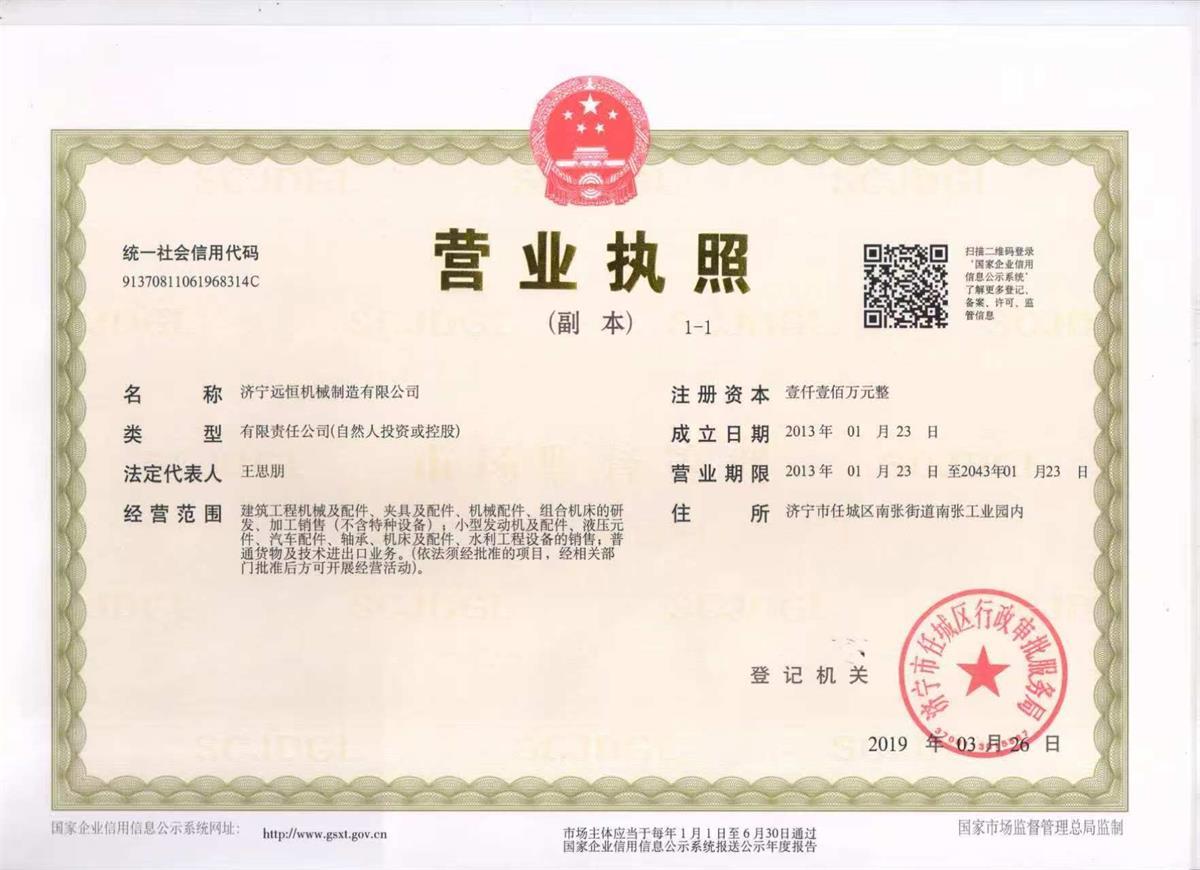
YHMG (Jining Yuanheng Machinery Manufacturing Co., Ltd.) is an experienced Chinese manufacturer with over a decade of presence in the compact equipment industry. We understand that entering the market as a new dealer can feel overwhelming, which is why we have structured our dealer program to provide tangible support at every stage of your journey.
When you join the YHMG network, you gain access to:
- Direct factory supply: Eliminate middleman costs and enjoy competitive pricing that allows you to remain profitable while offering fair rates to your customers.
- Dealer cooperation program: A structured framework that includes flexible order quantities, marketing materials, and co-branding opportunities to help you establish a local presence.
- Comprehensive product support: From detailed specifications to operator manuals and video tutorials, we equip you with the knowledge needed to sell and service our machines effectively.
- Spare parts availability: Our dedicated parts logistics ensure that you can quickly obtain the components needed to keep your customers' machines running, reducing downtime and building loyalty.
- Technical assistance: Our engineering team is available to answer complex technical questions, helping you troubleshoot issues and provide expert-level service to your clients.
Our goal is not just to sell you machines—it is to help you build a sustainable, profitable business that serves your community with reliable equipment and excellent service.
Explore our full mini excavator product lineup to see the quality and variety we offer.
Start Your Mini Excavator Dealership With the Right Inventory Strategy
So, how many mini excavators should a new dealer stock? The most practical answer is: start with 1–3 well-chosen units, prove your market, and scale systematically from there. This approach minimizes financial risk while allowing you to learn your customers' preferences, refine your marketing, and build a reputation for reliable service. As you grow, you can increase your inventory to 5–10 units and eventually to a full lineup that covers the entire spectrum of local demand.
Remember that your inventory strategy is not a one-time decision—it is a dynamic process that should evolve with your business. Regularly review your sales data, customer feedback, and market conditions to adjust your orders accordingly. And most importantly, choose a manufacturing partner that supports your growth with flexibility, quality, and genuine partnership.
YHMG is committed to helping new dealers succeed. Whether you are just exploring the idea of becoming a dealer or are ready to place your first order, we invite you to reach out and discuss how we can support your business goals.
Become a Mini Excavator Dealer
For specific questions about inventory planning, model selection, or dealer terms, contact YHMG for dealer cooperation to discuss your target market, preferred models, and a suitable starting inventory plan. Let's build your success together—with the right inventory, the right support, and the right partner.
Latest News
5 Key Factors to Consider When Buying Rubber Tracks for Mini Excavators
5 Key Factors to Consider When Buying Rubber Tracks for Mini Excavators In the world of construction and excavation, mini excavators are invaluable tools that enhance productivity and efficiency. A significant component of these machines is the **rubber tracks** they rely on for mobility. Choosing the right rubber tracks for your mini excavator can be a daunting task due to various factors to co
2026-09-12
The Future of Construction: Exploring the Benefits of Electric Mini Excavators
Electric mini excavators are gaining popularity in the construction and manufacturing sectors due to their numerous advantages over traditional diesel-powered machines. These compact machines are designed for small to medium-sized projects and offer a wide range of applications, from landscaping to utility work. One of the most significant benefits of electric mini excavators is their environmenta
2026-09-09
The Role of Road Rollers in Sustainable Construction Practices
The Role of Road Rollers in Sustainable Construction Practices Table of Contents 1. Introduction to Road Rollers 2. Importance of Sustainable Construction 3. What Are Road Rollers? 4. Types of Road Rollers and Their Features 5. The Role of Road Rollers in Sustainable Construction 6. Environmental Impact and Efficiency 7. Case Studies of Road Rollers in Action 8. Fu
2026-09-06
Understanding Mini Excavator Buckets: Choosing the Right Tool for Your Project
When it comes to mini excavators, having the right bucket attachment is crucial for optimizing performance and achieving desired outcomes in various construction and excavation projects. Mini excavator buckets come in a variety of designs and sizes, each tailored for specific tasks, making it essential to understand the options available. One of the primary distinctions among mini excavator bucket
2026-09-03
Choosing the Perfect Dumper: Key Features to Consider for Mining Machinery
Choosing the Perfect Dumper: Key Features to Consider for Mining Machinery Table of Contents 1. Introduction to Dumpers in the Mining Industry 2. Importance of Selecting the Right Dumper 3. Key Features to Consider When Choosing a Dumper 3.1. Load Capacity 3.2. Engine Performance 3.3. Design and Build Quality 3.4. Safety Features 3.5. Technology and Automa
2026-08-31
Understanding Compact Crawler Dumpers: Essential Equipment for Mining Operations
Compact crawler dumpers are specialized vehicles designed for efficient material transport in tight and challenging environments, particularly in the mining and construction sectors. Their compact size and robust capabilities make them an ideal choice for various applications, especially where traditional dumper trucks may struggle due to space constraints or terrain challenges. One of the primary
2026-08-28

YHMG manufactures high-quality compact construction machinery, including mini excavators, skid steer loaders, wheel loaders, site dumpers, road rollers, and related equipment. We are committed to delivering reliable products, competitive pricing, and professional OEM/ODM services to customers worldwide.
CONTACT US
Add : Within the Nanzhang Industrial Park, Jining, Shandong, China


REQUEST A FREE QUOTE
Copyright 2026 : Jining Yuanheng Machinery Manufacturing Co., Ltd. Powered by:CEglobal SEO BUSINESS LICENSE