How Much Does It Cost to Become a Mini Excavator Dealer? Complete Investment Guide
Release time:
2026-07-17
Discover the real investment required to become a mini excavator dealer. This guide explains startup costs, inventory planning, dealership models, hidden expenses, and how flexible manufacturer partnerships help new distributors enter the compact equipment market.
How Much Does It Cost to Become a Mini Excavator Dealer?
The global demand for compact construction machinery is growing rapidly. Contractors, rental companies, landscaping businesses, and equipment entrepreneurs are increasingly turning to mini excavators because of their versatility, lower operating costs, and wide range of applications. If you are looking to enter this growing market as an equipment dealer or regional agent, your first big question is bound to be: What is the actual equipment dealership investment required?
Starting an excavator dealership can become a profitable business opportunity, but it requires a clear understanding of both upfront and ongoing expenses. Understanding your overall equipment dealership investment helps new entrepreneurs estimate inventory requirements, operating expenses, and potential growth opportunities before choosing a manufacturing partner.
For entrepreneurs evaluating the cost of entering the compact equipment market, choosing the right manufacturing partner is one of the most critical decisions. Unlike traditional heavy machinery brands that often require massive financial commitments, dynamic manufacturers like YHMG offer flexible dealer cooperation models designed specifically for new and growing distributors. Before diving into the capital requirements, you can review the full baseline criteria and qualification metrics in our comprehensive guide on mini excavator dealer requirements.
1. Is There a Fixed Cost to Become a Mini Excavator Dealer?
There is no single "franchise fee" or fixed industry price tag to become a mini excavator dealer. Established premium equipment brands often require higher dealership investment due to stricter facility standards, massive mandatory initial stock, and complex corporate compliance processes that can easily push entry costs into hundreds of thousands—or millions—of dollars.
However, if you partner with a modern, fast-growing manufacturer, the financial barrier to entry drops significantly. Many specialized machinery producers do not charge any franchise or licensing fees at all. Instead, the cost to become a mini excavator dealer is entirely determined by your initial inventory selection, local operating setup, and shipping logistics.
2. Main Investment Factors
When calculating your overall excavator dealership cost, you need to account for several distinct operational buckets.
Initial Machine Inventory
This will always be your largest upfront expense. Manufacturers usually offer different cooperation levels depending on dealer goals, market potential, and initial inventory plans to grant you dealer-level wholesale pricing. For many entry-level compact excavator models, dealer acquisition costs can vary significantly depending on machine specifications, engine standards, shipping terms, and target market requirements (such as EPA Tier 4 Final or Euro Stage V compliance), hydraulic configurations, cabin types, and attached accessories.
YHMG provides a range of compact excavator solutions for different dealer markets, including micro excavators and mini excavators from 1 ton to larger compact models. You can explore our complete mini excavator product range to compare available models and configurations.
Demo Machines
To close local retail deals, you need at least one or two units dedicated to customer test drives and field demonstrations. While some manufacturers offer preferential pricing or payment adjustments on demo units, you must still factor these machines into your static cash flow, as they won't be sold immediately.
Warehouse & Showroom Space
You don't necessarily need an expensive commercial glass showroom on day one, but you do need an accessible, secure space. Budget for renting or utilizing a commercial lot, industrial yard, or warehouse capable of safely storing machinery, hosting customer inspections, and loading trailers.
Spare Parts Stock
A dealer's local reputation is built on after-sales support. Manufacturers typically recommend or require a "parts starter kit" alongside your first equipment order. This ensures you have common filters, hydraulic lines, seals, control joysticks, and bucket teeth on hand for immediate customer maintenance and warranty fulfillment.
Marketing & Service Capabilities
Even with excellent local foot traffic, you need a targeted local presence to compete. Expect to invest in regional digital marketing, local classifieds, and localized search ads to build fleet awareness. Additionally, budgeting for essential diagnostic tools, maintenance hardware, or partnering with a qualified technician is necessary to handle routine equipment servicing.
3. Example Dealer Startup Models
To make these numbers concrete, let’s look at different tiers of mini excavator dealer cost frameworks based on business scales—including accessible onboarding paths for new entrepreneurs.
| Dealer Model | Inventory Size | Estimated Equipment Investment | Target Audience |
|---|---|---|---|
| Starter Dealer Model | 1–2 demo & sample units | Flexible Entry Options Available | Local rental start-ups, regional agents, niche contractors |
| Small Dealer / Local Agent | 3–5 compact machines | Small-Scale Startup Capital | Regional landscapers, small contractors, boutique equipment yards |
| Growing Distributor | 5–10 mixed-size machines | Mid-Tier Fleet Investment | Commercial contractors, utility companies, rental fleet operators |
| Regional Dealer | 20+ machines & full service bay | Full-Scale Regional Capital | Multi-county fleets, municipal suppliers, heavy equipment companies |
Many new dealers start with popular compact excavator models that are easy to demonstrate and sell locally. Explore YHMG mini excavator models to identify suitable machines for your target market.
Strategic Advice: Most successful independent dealers choose to start lean, validate their local market demand with a starter or small-scale model, and naturally reinvest their profits to transition into a full-scale regional distributor over 2 to 3 years.
4. Hidden Costs Dealers Should Consider
Beyond the factory machinery invoices, several trailing expenses can affect your cash flow if they aren't properly mapped out early on:
- Inbound Freight & Logistics: Shipping heavy machinery across global ocean routes or domestic freight lines adds to your per-unit cost. Always calculate your final retail prices based on Landed Cost (Machine Base Price + Ocean Freight + Customs Duties + Import Tariffs + Local Delivery).
- Commercial Liability Insurance: Operating a heavy equipment business requires robust commercial general liability and product liability insurance to protect against accidental property damage or operator handling issues.
- Financing & Capital Costs: If you use third-party financing or business lines of credit to stock your yard, you must carefully monitor carrying costs and interest rates to ensure they don't eat into your net retail margins.
5. How Manufacturers Reduce Dealer Entry Barriers
Recognizing that high upfront costs discourage talented entrepreneurs, forward-thinking manufacturers have restructured their partnership terms to reduce financial risks for new dealers. Common incentives include:
- Eliminating Upfront Franchise Fees: Dropping flat registration or corporate licensing fees so 100% of your working capital goes straight into physical, revenue-generating inventory.
- Marketing Support: Providing professional product information and sales support materials helps dealers quickly build local market awareness.
- Streamlined Parts Support: Providing reliable spare parts supply chains and optimized technical support packages helps dealers reduce local inventory pressure while maintaining high customer satisfaction.
Manufacturers with flexible partnership structures can help new distributors enter the compact equipment market with lower financial pressure and better growth opportunities.
6. YHMG Flexible Dealer Program
At YHMG, we design our authorized dealer program explicitly to maximize your return on investment while minimizing financial friction. We understand that local market dynamics vary, which is why we don't believe in rigid, corporate-mandated financial barriers.
As a China-based mini excavator manufacturer, YHMG supports global dealers with competitive factory pricing, reliable equipment supply, and long-term technical cooperation. Our compact construction equipment portfolio includes mini excavators, skid steer loaders, dumpers, and other high-demand machines. We work directly with mini excavator dealers, distributors, and regional equipment partners worldwide to develop localized growth plans.
Our dealer cooperation can start with a curated selection of popular mini excavator models, allowing new partners to test local market demand before expanding their inventory. Learn more about our mini excavator dealer program and partnership opportunities.
If you meet the basic dealer requirements and are interested in building a long-term partnership with YHMG, our team can help evaluate your market potential and recommend a suitable cooperation model.
Comprehensive Partner Support
Qualified dealers can access factory-direct pricing, detailed technical training documentation, reliable spare parts support, and localized marketing guidance to help dealers develop their local market effectively. Our goal is to establish mutually beneficial, long-term growth paths without heavy financial overhead.
Looking for Factory-Direct Wholesale Terms? Contact the YHMG Dealer Support Team to check territory availability and request a customized equipment investment evaluation.
FAQ
How much does it cost to become a mini excavator dealer?
The investment required to become a mini excavator dealer depends on your business model, inventory size, market location, and support requirements. Some new dealers start with a small investment focused on 1-3 machines, while larger distributors may invest significantly more in inventory, facilities, and service capabilities.
How many mini excavators should I buy for my first order?
For a new or independent dealer, a starting order of 1 to 3 units is standard. This allows you to have a dedicated demonstration machine for customer testing and 1 or 2 fresh units available for immediate purchase, keeping your initial capital exposure low while establishing local market presence.
Can I become a mini excavator dealer without previous heavy equipment experience?
Yes. Many successful compact equipment dealers started from related industries such as landscaping, tool rental services, commercial agriculture, or construction supplies. While technical familiarity helps, partnering with a reliable manufacturer like YHMG that provides comprehensive technical and parts support is the key element to overcoming a lack of prior experience.
Do mini excavator dealers need exclusive territory rights?
Territory cooperation depends on market potential, local sales performance, and partnership development. YHMG evaluates dealer opportunities based on regional demand and long-term cooperation plans to ensure fair market development for our qualified partners and protect local market distribution networks.
What is the typical profit margin for a mini excavator dealer?
Dealer profitability varies depending on market conditions, brand positioning, competition, and local operating costs. Many dealers improve overall returns through machine sales, attachments, spare parts, and after-sales services rather than relying solely on the base machine margin.
Can I start an excavator dealership from home?
While you don't need a massive commercial complex right away, you do need a properly zoned commercial, industrial, or rural/agricultural space. The location must have sufficient room to receive freight line deliveries, store units securely, and safely conduct mechanical demonstrations for prospective buyers.
Become a Mini Excavator Dealer with YHMG
If you are looking for a reliable mini excavator manufacturer partner, YHMG welcomes inquiries from equipment dealers, distributors, and regional agents worldwide.
Contact the YHMG dealer team today to Request Mini Excavator Dealer Pricing & Partnership Details, and discuss your target market, expected sales volume, and suitable cooperation model.
Latest News
5 Key Factors to Consider When Buying Rubber Tracks for Mini Excavators
5 Key Factors to Consider When Buying Rubber Tracks for Mini Excavators In the world of construction and excavation, mini excavators are invaluable tools that enhance productivity and efficiency. A significant component of these machines is the **rubber tracks** they rely on for mobility. Choosing the right rubber tracks for your mini excavator can be a daunting task due to various factors to co
2026-09-12
The Future of Construction: Exploring the Benefits of Electric Mini Excavators
Electric mini excavators are gaining popularity in the construction and manufacturing sectors due to their numerous advantages over traditional diesel-powered machines. These compact machines are designed for small to medium-sized projects and offer a wide range of applications, from landscaping to utility work. One of the most significant benefits of electric mini excavators is their environmenta
2026-09-09
The Role of Road Rollers in Sustainable Construction Practices
The Role of Road Rollers in Sustainable Construction Practices Table of Contents 1. Introduction to Road Rollers 2. Importance of Sustainable Construction 3. What Are Road Rollers? 4. Types of Road Rollers and Their Features 5. The Role of Road Rollers in Sustainable Construction 6. Environmental Impact and Efficiency 7. Case Studies of Road Rollers in Action 8. Fu
2026-09-06
Understanding Mini Excavator Buckets: Choosing the Right Tool for Your Project
When it comes to mini excavators, having the right bucket attachment is crucial for optimizing performance and achieving desired outcomes in various construction and excavation projects. Mini excavator buckets come in a variety of designs and sizes, each tailored for specific tasks, making it essential to understand the options available. One of the primary distinctions among mini excavator bucket
2026-09-03
Choosing the Perfect Dumper: Key Features to Consider for Mining Machinery
Choosing the Perfect Dumper: Key Features to Consider for Mining Machinery Table of Contents 1. Introduction to Dumpers in the Mining Industry 2. Importance of Selecting the Right Dumper 3. Key Features to Consider When Choosing a Dumper 3.1. Load Capacity 3.2. Engine Performance 3.3. Design and Build Quality 3.4. Safety Features 3.5. Technology and Automa
2026-08-31
Understanding Compact Crawler Dumpers: Essential Equipment for Mining Operations
Compact crawler dumpers are specialized vehicles designed for efficient material transport in tight and challenging environments, particularly in the mining and construction sectors. Their compact size and robust capabilities make them an ideal choice for various applications, especially where traditional dumper trucks may struggle due to space constraints or terrain challenges. One of the primary
2026-08-28

YHMG manufactures high-quality compact construction machinery, including mini excavators, skid steer loaders, wheel loaders, site dumpers, road rollers, and related equipment. We are committed to delivering reliable products, competitive pricing, and professional OEM/ODM services to customers worldwide.
CONTACT US
Add : Within the Nanzhang Industrial Park, Jining, Shandong, China


REQUEST A FREE QUOTE
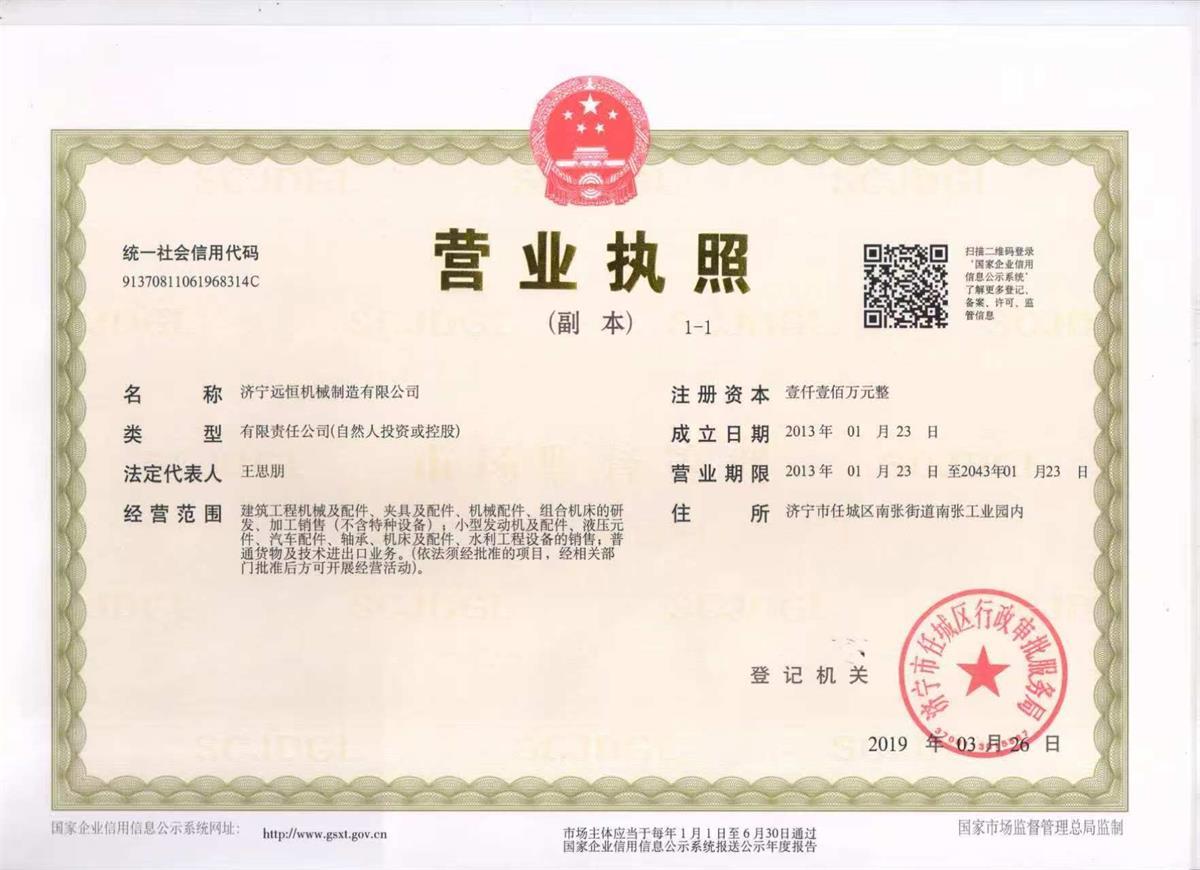
Copyright 2026 : Jining Yuanheng Machinery Manufacturing Co., Ltd. Powered by:CEglobal SEO BUSINESS LICENSE