How to Import Mini Excavators from China: Complete Dealer Guide 2026
Release time:
2026-07-24
Importing mini excavators from China involves far more than comparing prices. This comprehensive dealer guide explains every stage of the import process, including supplier evaluation, factory audits, CE and EPA compliance, OEM customization, shipping methods, customs clearance, landed cost calculation, warranty planning, and after-sales support. Whether you are sourcing your first container or expanding an established dealership, this guide provides a practical framework for building a reliable and scalable import business.
How to Import Mini Excavators from China: Complete Dealer Guide 2026
This guide is based on direct experience assisting equipment dealers and importers across more than 20 countries with sourcing, shipping and after‑sales planning for Chinese mini excavators. The processes, cost ranges and timelines described reflect current trade practices drawn from aggregated dealer feedback and our direct involvement in export operations over the past decade. Every import journey is unique — shipping costs, import duties and local compliance rules vary by country. Dealers should verify all details with their own freight forwarders, customs brokers and legal advisors before placing orders.
Who Should Read This Guide?
- First‑time importers who want a step‑by‑step roadmap for bringing mini excavators from China to their local market
- Established equipment dealers looking to add a Chinese product line alongside existing brands
- Rental company owners evaluating direct sourcing as a way to lower fleet acquisition costs
- OEM and private label buyers planning to customise machines for distribution under their own brand
- Construction equipment wholesalers expanding their supplier base into Chinese manufacturing
Key Takeaways
- Importing mini excavators from China can reduce per‑unit acquisition costs by 35–50% compared to purchasing comparable machines from local dealers in many markets.
- Success depends on thorough supplier verification, clear contractual specifications and a structured quality inspection process — not on finding the lowest price.
- Shipping and logistics are predictable when planned properly; a typical container of 4–6 excavators moves from a Chinese factory to a foreign port in 6–10 weeks depending on destination.
- CE certification, EPA compliance and local safety standards must be confirmed before shipping, not after the machines arrive at customs.
- Warranty, spare parts and after‑sales support should be negotiated and documented as part of the purchase contract.
- A well‑managed import process turns a one‑time shipment into a repeatable, scalable dealership supply chain.
Table of Contents
- Part 1: Planning & Supplier Selection
- Part 2: Configuration & Purchase
- Part 3: Production, Shipping & Logistics
- Part 4: Customs, Delivery & After‑Sales
- Dealer Planning & Risk Management
- FAQ & Next Steps
Why Import Mini Excavators from China
For a dealer or rental company operating outside the major manufacturing countries, the local equipment supply chain often presents two unattractive options: pay a high price for an established international brand, or buy a used machine with unknown service history. Importing directly from a China mini excavator manufacturer opens a third path — new machines, built to specification, at a price that leaves room for dealer margin, local warranty and after‑sales service.
A 2‑ton mini excavator that retails for $38,000 in a developing market might have an FOB China price of $10,000–$13,000. Add ocean freight, insurance, import duties and inland transport, and the landed cost is $14,000–$19,000. Beyond cost, importing gives the dealer control over specification — engine brand, hydraulic components, track type, bucket options and colour scheme. Our mini excavator product range illustrates the variety of configurations available for export.
Understanding the Global Market Opportunity
Compact excavator demand continues to grow faster than the broader construction equipment market, driven by urbanisation in Africa, infrastructure renewal in Latin America and mechanisation of agriculture across Southeast Asia. Many of these buyers are first‑time equipment owners who cannot access traditional dealer financing but can afford a machine at the price point that direct import makes possible. For a dealer who understands the import process, this represents a market segment that established brand distributors are structurally unable to serve.
In North America and Europe, private‑label imported machines are finding niches in the rental, hobby farm and municipal segments. The key to capturing this demand is a professional import operation — consistent quality, reliable parts supply and professional documentation. For a broader perspective on sourcing dynamics, see our China mini excavator manufacturer dealer guide.
Step 1: Choosing the Right Manufacturer
Supplier selection is the foundation of the entire import process. A mistake at this stage will cascade into every subsequent step. The mini excavator manufacturing sector in China spans from small assembly workshops to fully integrated factories with ISO certification, robotic production lines and dedicated export departments.
From our experience working with dealers across multiple continents, the factories that consistently deliver reliable machines share several characteristics: they have been exporting for at least three years, they openly state component brands and provide serial number verification, they maintain a dedicated export team with multilingual capability, and they welcome factory audits rather than making excuses to avoid them.
Key evaluation criteria include export track record, component sourcing transparency, compliance capability and communication quality. For a structured approach to evaluating potential suppliers, work through our manufacturer selection guide, which covers evaluation criteria, red flags and negotiation strategy in detail.
Step 2: Factory Verification and Audits
Quotations and brochures only show what a factory wants you to see. A factory audit — whether conducted in person or through a third‑party inspection service — reveals the production reality. A third‑party inspection costs a few hundred dollars and provides photographs, checklists and a written report that makes the sourcing decision far more informed.
Based on audits we have supported, the three most common issues found during factory visits are: hydraulic hose routing that could cause chafing over time, inconsistent paint thickness on structural components, and electrical connectors not adequately sealed against moisture. These are all correctable — but a dealer who does not inspect will not discover them until a customer reports a problem. Our factory audit checklist provides a comprehensive list of inspection points that many importers use as the basis for their own audit.
⚠ Expert Tip: A factory audit costs a few hundred dollars. Compare that to the potential loss if a container of sub‑standard machines arrives. The audit is not an expense — it is insurance.
10 Supplier Red Flags Before You Send Payment
- Refuses a factory video tour or in‑person visit. Legitimate factories are proud of their facilities.
- Cannot provide engine serial number verification. A genuine Kubota or Yanmar engine has a verifiable serial number.
- CE or EPA certificate is expired or for a different model. Always verify the certificate with the issuing body.
- Only communicates through personal messaging apps. Professional manufacturers use official company email.
- Asks for payment to a personal bank account. All payments should go to a company account matching the proforma invoice.
- Promises unrealistically short lead times or prices far below market. If it seems too good to be true, it almost certainly is.
- Has no dealer references or refuses to share them. A manufacturer with a track record should connect you with existing buyers.
- Vague about component brands. "Kubota‑type engine" is not the same as a genuine Kubota engine.
- No documented QC process. A factory without quality control is a gamble.
- Pushes for full payment upfront. Standard terms are 30% deposit, 70% before shipment.
Supplier Comparison Matrix: How to Score Potential Manufacturers
When evaluating multiple manufacturers, a weighted scoring system helps make the comparison objective. Assign each manufacturer a score from 1 (poor) to 5 (excellent) for each criterion, then multiply by the weight to get a weighted score.
| Evaluation Criterion | Weight | What to Look For | Mfr A (1–5) | Mfr B (1–5) |
|---|---|---|---|---|
| Export experience (years and volume) | 20% | 3+ years; 100+ units exported; multiple destination countries | ||
| Quality control and factory condition | 20% | Clean production floor; dedicated QC team; test benches | ||
| Component transparency and sourcing | 15% | Open about engine, pump, valve and track brands; willing to include in contract | ||
| Warranty and after‑sales support | 15% | Clear written warranty terms; labour allowance; dealer references for claims handling | ||
| Compliance documentation | 10% | Current, verifiable CE, EPA or local certifications | ||
| Communication and responsiveness | 10% | Multilingual staff; prompt responses to technical questions | ||
| Lead time reliability | 5% | Realistic lead times; track record of meeting commitments | ||
| OEM / private label capability | 5% | Experience with custom branding and specification | ||
| Total Weighted Score | 100% |
Step 3: Quotation Comparison and Machine Configuration
Request detailed quotations from shortlisted manufacturers and compare them line‑by‑line — not just on total price. A lower FOB price means nothing if the machine arrives with a different engine, thinner steel or lower‑grade hydraulics. A proper quotation should specify engine brand and model, hydraulic pump and valve brands, track type and brand, bucket specifications, CE/EPA certification status, warranty terms, spare parts kit contents, payment terms and production lead time. For a detailed discussion of machine selection and specification trade‑offs, see our mini excavator buying guide for dealers.
Step 4: OEM Customization and Private Label Options
Many Chinese manufacturers offer OEM mini excavator services, allowing a dealer to sell machines under their own brand — custom colours, decals, specification packages and operator manuals. Private label programs build dealer brand equity and make price comparison difficult for competitors. Minimum order quantities vary; some factories will brand a single container, while others require a larger commitment. For dealers ready to explore a branded import program, the authorized dealer program page outlines partnership structures.
Step 5: Certification and Compliance (CE, EPA)
Compliance is not optional. A machine that arrives without the required certification can be held by customs, incur storage charges, or be refused entry. For the EU, machines must comply with the Machinery Directive and engines must meet EU Stage V standards. For the US, EPA emissions certification is required. Always verify certificates with the issuing body — an expired or mismatched certificate has no legal value. Our CE certified supplier guide details the documentation to demand and how to verify it.
⚠ Common Mistake: Many first‑time importers trust the manufacturer when they say "CE certified" without independently checking. Always verify. An invalid certificate can hold your container at customs for weeks.
Step 6: Contract Negotiation and Payment Terms
A well‑drafted purchase contract is the dealer's primary protection against component substitution, delayed shipment and post‑sale disputes. The contract should include detailed machine specifications with component brands listed individually, quantity and unit price, payment terms, production lead time, inspection rights, warranty terms and dispute resolution mechanism. Standard payment terms for first‑time importers are 30% deposit with the order and 70% balance before shipment. Always send wire transfers to the company bank account stated in the contract, never to a personal account.
Step 7: Production and Quality Inspection
Once the order is placed, stay in contact with the factory and request progress updates including photographs at key production stages. The most important quality control step is a pre‑shipment inspection — either by the importer visiting the factory or through a hired third‑party inspection company. The inspection should verify weld quality, paint finish, engine start and run test, hydraulic system function, component brands and serial numbers against the contract, and the presence of all accessories and documentation. A pre‑shipment inspection costs a few hundred dollars — a fraction of the container's value — and provides a documented quality report before the machines are loaded.
✔ Dealer Tip: Hire an independent inspection company. A local third‑party inspector will provide an unbiased report with photographs. The cost is typically $300–$600 — far less than the cost of resolving quality issues after delivery.
Step 8: Container Loading and Shipping Methods
Mini excavators are typically shipped in 40‑foot high‑cube containers. Depending on machine size, a container holds 4–8 units. Container loading should be supervised or documented with photographs. Machines must be securely lashed and blocked to prevent movement during ocean transit. Fuel and oil may need to be drained to comply with shipping regulations.
The two main shipping options are FOB (manufacturer delivers to Chinese port; importer arranges ocean freight and insurance) and CIF (manufacturer arranges freight and insurance to destination port; importer handles customs clearance). For a detailed breakdown of shipping methods, container configurations and freight estimation, refer to our mini excavator shipping guide.
Step 9: Ocean Freight, Insurance and Logistics Timeline
Ocean freight cost depends on the shipping route, fuel prices and seasonal demand. Based on shipments coordinated between 2023 and 2026, typical 40‑foot container freight costs from major Chinese ports range from $1,500–$3,000 (Southeast Asia) to $3,500–$6,000 (South America east coast). Transit time ranges from 2 weeks (Southeast Asia) to 6 weeks (South America). Marine cargo insurance is strongly recommended and typically costs 0.3–0.5% of the cargo value.
| Stage | Typical Duration | Key Action |
|---|---|---|
| Manufacturer selection and quotation | 1–2 weeks | Request and compare detailed quotations; perform reference checks |
| Factory audit | 1–2 weeks | Conduct or commission audit; review report |
| Contract and payment | 1 week | Finalise contract; pay deposit |
| Production | 4–8 weeks | Monitor progress; request progress photos |
| Pre‑shipment inspection | 2–3 days | Inspect completed machines; approve shipment |
| Container loading and shipping | 1–2 weeks | Arrange freight; verify loading documentation |
| Ocean transit | 2–6 weeks | Track vessel; prepare customs documentation |
| Destination customs clearance | 1–2 weeks | Submit documentation; pay duties; arrange inland transport |
| Receiving inspection and PDI | 1 week | Inspect each machine; complete pre‑delivery preparation |
| Total typical timeline | 12–18 weeks |
Incoterms Comparison: FOB vs CIF vs EXW vs DDP
Understanding Incoterms is essential. The term you agree with the manufacturer determines who pays for what — and where your responsibility begins and ends.
| Incoterm | Who Arranges Freight? | Who Pays Insurance? | Best For |
|---|---|---|---|
| EXW (Ex Works) | Buyer | Buyer | Experienced importers with a logistics team in China |
| FOB (Free on Board) | Buyer arranges ocean freight | Buyer | Most first‑time importers; gives control over shipping |
| CIF (Cost, Insurance, Freight) | Seller arranges all freight | Seller | Importers wanting a simpler process; seller adds margin to freight |
| DDP (Delivered Duty Paid) | Seller handles everything | Seller | Turnkey solution; expect a premium price |
✔ Expert Advice: For first‑time importers, FOB is generally the recommended starting point. It gives you control over the choice of shipping line and insurance provider without the complexity of EXW.
Import Cost Breakdown: How to Calculate Your Landed Cost
Understanding your total landed cost before placing an order is essential for setting retail prices and calculating dealer margin.
| Cost Component | Typical Range (2‑Ton Excavator) | Notes |
|---|---|---|
| 1. FOB China price (per unit) | $9,500 – $13,000 | Confirm what is included — standard bucket, quick hitch |
| 2. Ocean freight (per unit, 6‑unit container) | $300 – $900 | Total freight ÷ number of units |
| 3. Marine insurance | $30 – $65 | 0.3–0.5% of cargo value |
| 4. Import duty | Varies by country (0–25% of CIF value) | Check your country's HS code for excavators |
| 5. VAT / GST | Varies by country | May be reclaimable if registered business |
| 6. Port charges and customs broker fees | $150 – $600 | Terminal handling, documentation, broker fees |
| 7. Inland transport (port to your location) | $200 – $1,200 | Depends on distance and local trucking rates |
| Total landed cost (per unit) | $12,800 – $19,000 | Cost basis before dealer margin |
| 8. Dealer preparation, warranty reserve, delivery | $800 – $1,200 | PDI service, local transport, warranty fund |
| Total dealer cost | $13,600 – $20,200 | Breakeven selling price |
| 9. Dealer margin (target 25–35%) | $4,500 – $7,500 | Applied to dealer cost |
| Suggested retail price | $19,500 – $26,500 | Compare with local market pricing |
This table is a planning tool. Actual costs vary by country, shipment size and market conditions. We recommend building your own landed cost calculator using your specific duty rates and freight quotes.
Step 10: Import Customs, Taxes and Duties
Customs clearance requires a commercial invoice, packing list, bill of lading, certificate of origin (if required) and CE or EPA compliance documentation. Import duties vary significantly by country — from 0% in some free trade zones to 25% or more. A local customs broker is a worthwhile investment for a first‑time importer. The broker understands specific documentation requirements and can pre‑clear the shipment while it is in transit.
Step 11: Receiving Inspection and Pre‑Delivery Preparation
When the container arrives, inspect it immediately. Check that the container seal is intact and matches the shipping documents. Photograph the container before opening and the machines as they are unloaded. A thorough receiving inspection covers visual checks for shipping damage, fluid levels, oil leaks, grease points, and a functional test of all systems. Any damage should be documented and reported to the insurance company immediately.
Pre‑delivery preparation for each machine includes a full service, installation of any components removed for shipping, a functional test and a final clean. This PDI process ensures every machine delivered to a customer is in ready‑to‑work condition.
Step 12: Warranty, After‑Sales Service and Spare Parts
The importer is typically the first point of contact for warranty claims from end customers. The manufacturer supplies replacement parts under the agreed warranty conditions. Warranty periods of 12–24 months or 1,500–2,000 hours are typical. The importer should stock a basic range of consumables — filters, hoses, bucket teeth, seal kits, relays — and have a clear process for ordering parts not in local stock. The first container order should include a starter parts kit, ideally subsidised by the manufacturer. Our mini excavator warranty guide explains standard coverage and exclusions in detail.
Dealer Experiences: Lessons from Real Import Journeys
The following examples are based on actual dealer experiences. Specific names and locations have been generalised, but the numbers and outcomes reflect real events.
Dealer A: Scaling from 6 to 24 Machines in South America
A dealer in South America placed a trial order of 6 machines from a manufacturer they had visited in person and audited. They ordered a starter parts kit ($2,800) with the machines and set up a service workshop before the container arrived. The first 6 machines sold within 92 days. Based on customer feedback — 4 out of 6 buyers asked for air conditioning and a hydraulic thumb as standard — the dealer adjusted the specification for the second container. Within 18 months they had imported 24 machines across four containers and built a recognised local brand. Repeat customers accounted for 31% of second‑year sales.
Lesson: Start with a manageable order, listen to what the market wants, and scale based on real data. A local parts kit from day one made same‑day repairs possible, which customers consistently mentioned in positive reviews.
Dealer B: Rental Fleet Expansion in Southeast Asia
A rental company compared the total cost of ownership of Chinese versus Japanese 2‑ton excavators. The Chinese machine landed at $16,200; the Japanese equivalent was $36,500. At a local rental day rate of $120, the Chinese machine reached full payback in 14 months, compared to 26 months for the Japanese machine. After two years of operation, the Chinese units had 12% higher minor repair frequency but 41% lower capital cost per rental day. The rental company's return on capital employed for the Chinese fleet was 2.3 times that of the Japanese fleet.
Lesson: For rental applications, lower capital cost can substantially improve fleet return on investment, provided that basic parts and service capability are in place from the start.
✔ Dealer Insight: Across both cases, the common thread is that a pre‑shipment inspection, a starter parts kit, and the ability to perform basic repairs locally transformed the import experience from a risk into a competitive advantage.
Dealer Inventory Planning and Stocking Strategy
A typical first container might include 1 x 1‑ton machine, 2 x 2‑ton machines and 1 x 3.5‑ton machine — testing three market segments with a single shipment. The importer learns which sizes sell fastest and at what margin, and the second container can be optimised based on real sales data. Parts inventory should be planned alongside machine inventory. A starter kit of filters, hoses, bucket teeth and common electrical components should arrive with or before the first machines.
Common Importing Mistakes and How to Avoid Them
- Selecting on price alone. The cheapest quotation often reflects lower‑grade components and minimal after‑sales support.
- Not verifying compliance before shipping. Always verify CE or EPA documentation before the container leaves the factory.
- Not specifying component brands in the contract. Every major component should be listed with its brand and model.
- Skipping the pre‑shipment inspection. A few hundred dollars for an inspection prevents a container of sub‑standard machines from being shipped.
- Not planning for spare parts before the machines arrive. Parts must be ordered with the machines, not after the first breakdown.
Complete Dealer Import Checklist
- □ Shortlist 3–5 potential manufacturers based on export history and product range
- □ Request detailed quotations specifying all major component brands
- □ Conduct a factory audit (in person or via third‑party inspection service)
- □ Verify CE, EPA or local compliance documentation with the issuing body
- □ Negotiate and sign a detailed purchase contract
- □ Pay deposit according to agreed terms
- □ Monitor production progress; request progress photographs
- □ Conduct pre‑shipment inspection; approve or reject machines
- □ Arrange ocean freight and marine cargo insurance
- □ Prepare destination customs documentation with a local broker
- □ Receive container; inspect for shipping damage immediately
- □ Complete pre‑delivery inspection and preparation on each machine
- □ Register warranty with manufacturer for each machine sold
- □ Order spare parts starter kit with the first machine order
- □ Begin marketing machines to local customers
Frequently Asked Questions
How long does the entire import process take from start to finish?
From initial manufacturer research to machines ready for sale, a realistic timeline is 12–18 weeks for a first container. Subsequent containers are typically faster.
What is the minimum order quantity when importing from China?
Many manufacturers will sell a single machine as a sample, but a 40‑foot container holding 4–8 machines is the most common minimum for full container loads.
How do I verify that a Chinese manufacturer is legitimate?
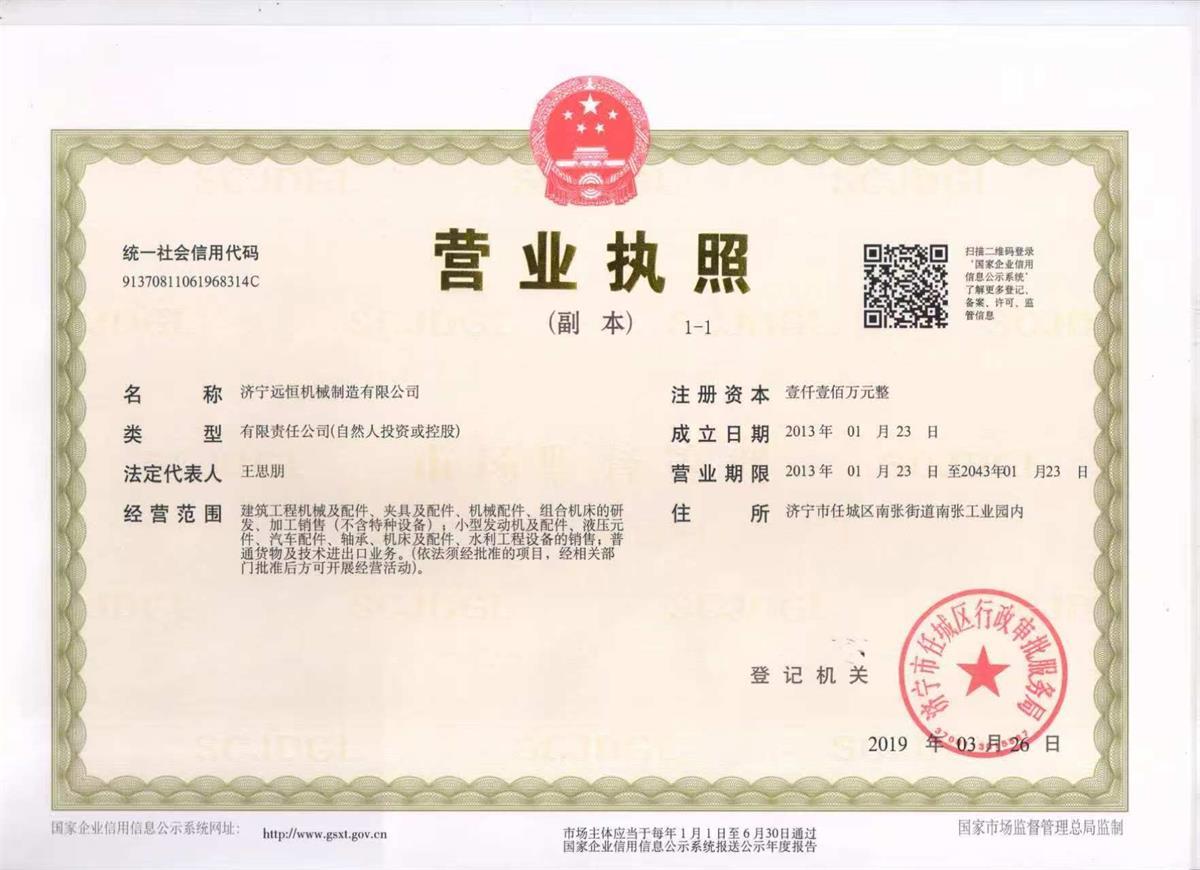
Request their business licence, check export history by speaking with existing dealers, conduct a factory audit, and verify any certifications they claim to hold.
Do I need CE certification to import into my country?
If your country follows EU standards or requires CE marking for machinery imports, then yes. Always verify the specific import requirements for your country before ordering.
What are the typical payment terms for a first order?
30% deposit with the order, and 70% balance before shipment or against a copy of the bill of lading, is the most common arrangement for first‑time importers.
Can I brand the machines with my own company logo?
Yes, most Chinese manufacturers offer OEM and private label services with custom colours, decals and branding.
What happens if a machine is damaged during shipping?
Marine cargo insurance should cover shipping damage. Document the damage with photographs immediately and file a claim within the required time window.
How do I calculate the total landed cost of a machine?
Landed cost = FOB price + ocean freight + marine insurance + import duties + port charges + customs broker fees + inland transport. Use the Import Cost Breakdown table as a template.
Is it better to use FOB or CIF shipping terms?
For first‑time importers, FOB gives more transparency and control over the choice of shipping line and insurance provider.
Can I import just one excavator as a sample?
Yes, and this is a recommended first step for a dealer who wants to evaluate machine quality and supplier reliability before committing to a full container.
How can I avoid scams when importing from China?
Stick to verified manufacturers with a documented export history. Never send payment to a personal bank account. Conduct a factory audit before placing a significant order.
What are the most common quality issues found during inspection?
Hydraulic hose routing that could cause chafing, inconsistent paint coverage on welds, and electrical connectors not adequately sealed are the most frequently found issues.
Are Chinese mini excavators worth buying?
For dealers, rental companies and price‑conscious buyers, a well‑sourced Chinese mini excavator can offer excellent value. The key is supplier selection and quality verification as described in this guide.
Building a Scalable Import Operation
Importing mini excavators from China is not a one‑time transaction — it is a supply chain that, when properly set up, becomes a repeatable and scalable business operation. A professional import operation has three characteristics: a documented supplier qualification process, machines that have been inspected before shipment and checked again upon arrival, and spare parts and warranty support in place before the first machine is sold.
Dealers who build their import capability to this level do not compete on machine price — they compete on the total value proposition: new equipment, professional support, local parts availability and a price that makes ownership accessible to a broader range of customers.
Key Conclusions
- The cost advantage of importing directly from China — typically 35–50% below comparable locally distributed machines — creates a significant dealer margin opportunity.
- Supplier selection is the single most important decision; a factory audit and reference checks are not optional.
- Compliance documentation must be verified before shipment.
- A detailed purchase contract specifying every major component brand protects against substitution and quality disputes.
- Pre‑shipment inspection and receiving inspection provide two quality control gates.
- Spare parts and warranty support must be planned before the machines arrive.
- Using a supplier comparison matrix, a landed cost breakdown, and a clear understanding of Incoterms turns the import decision into a calculated business investment.
Ready to Start Your Import Journey?
Whether you are planning your first container or expanding an existing import operation, a well‑structured approach will save you time, money and stress. Our team works with dealers and distributors across multiple continents to build reliable, long‑term supply partnerships.
Use these free resources to plan your next steps:
- Download the Dealer Import Checklist — a printable one‑page summary of every step in this guide.
- Request the Factory Audit Checklist — the detailed inspection framework our dealers use before placing orders.
- Get a Custom Landed Cost Calculator — we can help you estimate your total per‑unit cost based on your country and order size.
- Apply for the Authorized Dealer Program — for importers ready to build a long‑term branded partnership.
Begin by reviewing the following guides, or contact us directly to discuss your import plans:
- How to Choose a Mini Excavator Manufacturer
- Factory Audit Checklist
- China Manufacturer Dealer Guide
- CE Certified Supplier Guide
- Mini Excavator Shipping Guide
- Buying Guide for Dealers
- Browse Mini Excavator Product Range
When you are ready to discuss your specific import requirements, market conditions or dealership plan, contact our team or explore our authorized dealer program.
Latest News
5 Key Factors to Consider When Buying Rubber Tracks for Mini Excavators
5 Key Factors to Consider When Buying Rubber Tracks for Mini Excavators In the world of construction and excavation, mini excavators are invaluable tools that enhance productivity and efficiency. A significant component of these machines is the **rubber tracks** they rely on for mobility. Choosing the right rubber tracks for your mini excavator can be a daunting task due to various factors to co
2026-09-12
The Future of Construction: Exploring the Benefits of Electric Mini Excavators
Electric mini excavators are gaining popularity in the construction and manufacturing sectors due to their numerous advantages over traditional diesel-powered machines. These compact machines are designed for small to medium-sized projects and offer a wide range of applications, from landscaping to utility work. One of the most significant benefits of electric mini excavators is their environmenta
2026-09-09
The Role of Road Rollers in Sustainable Construction Practices
The Role of Road Rollers in Sustainable Construction Practices Table of Contents 1. Introduction to Road Rollers 2. Importance of Sustainable Construction 3. What Are Road Rollers? 4. Types of Road Rollers and Their Features 5. The Role of Road Rollers in Sustainable Construction 6. Environmental Impact and Efficiency 7. Case Studies of Road Rollers in Action 8. Fu
2026-09-06
Understanding Mini Excavator Buckets: Choosing the Right Tool for Your Project
When it comes to mini excavators, having the right bucket attachment is crucial for optimizing performance and achieving desired outcomes in various construction and excavation projects. Mini excavator buckets come in a variety of designs and sizes, each tailored for specific tasks, making it essential to understand the options available. One of the primary distinctions among mini excavator bucket
2026-09-03
Choosing the Perfect Dumper: Key Features to Consider for Mining Machinery
Choosing the Perfect Dumper: Key Features to Consider for Mining Machinery Table of Contents 1. Introduction to Dumpers in the Mining Industry 2. Importance of Selecting the Right Dumper 3. Key Features to Consider When Choosing a Dumper 3.1. Load Capacity 3.2. Engine Performance 3.3. Design and Build Quality 3.4. Safety Features 3.5. Technology and Automa
2026-08-31
Understanding Compact Crawler Dumpers: Essential Equipment for Mining Operations
Compact crawler dumpers are specialized vehicles designed for efficient material transport in tight and challenging environments, particularly in the mining and construction sectors. Their compact size and robust capabilities make them an ideal choice for various applications, especially where traditional dumper trucks may struggle due to space constraints or terrain challenges. One of the primary
2026-08-28

YHMG manufactures high-quality compact construction machinery, including mini excavators, skid steer loaders, wheel loaders, site dumpers, road rollers, and related equipment. We are committed to delivering reliable products, competitive pricing, and professional OEM/ODM services to customers worldwide.
CONTACT US
Add : Within the Nanzhang Industrial Park, Jining, Shandong, China


REQUEST A FREE QUOTE
Copyright 2026 : Jining Yuanheng Machinery Manufacturing Co., Ltd. Powered by:CEglobal SEO BUSINESS LICENSE