Mini Excavator Factory Audit Checklist: 15 Things Dealers Should Check Before Buying
Release time:
2026-07-20
A complete mini excavator factory audit checklist for dealers and importers. Learn how to evaluate China excavator factories, check production capability, verify quality control, and choose a reliable supplier before placing an order.
Mini Excavator Factory Audit Checklist: 15 Things Dealers Should Check Before Buying
For construction equipment dealers and importers, sourcing mini excavators from China is a significant investment decision that shapes your brand reputation and aftermarket revenue for years. A well-structured mini excavator factory audit checklist is the most reliable tool to separate manufacturers with genuine production capability from those that simply resell or assemble inconsistently. This guide provides a practical, step-by-step framework to evaluate a China excavator factory before placing your first order. By following these 15 audit points, you can reduce supply chain risk, ensure consistent product quality, and build a partnership that supports your business growth.
Before conducting a factory audit, dealers should first understand the key factors involved in selecting a reliable supplier. You can also read our guide on how to choose a China mini excavator manufacturer to learn more about supplier evaluation criteria.
Whether you are visiting the factory in person or conducting a remote evaluation through video calls and documentation review, this checklist will help you ask the right questions and spot potential issues early. If you are currently researching mini excavator supplier evaluation methods and want to speak with a manufacturer that welcomes detailed audits, you can contact our team for production documentation and a live video tour of our facility.
Why Factory Audits Matter When Buying Mini Excavators from China
China's construction equipment industry has matured rapidly, and today there are hundreds of companies claiming to be mini excavator factory specialists. However, the gap between a well-organized manufacturer and an inconsistent assembler can be enormous. A proper mini excavator factory inspection reveals what brochures and websites often cannot: how the production floor operates on a daily basis, how workers handle quality issues, and whether the factory has the engineering depth to support your long-term needs.
Without a structured audit, dealers risk receiving machines with varying performance, undocumented component changes, or weak after-sales support. A reliable construction equipment manufacturer will welcome the audit process and provide clear answers to each point on this checklist. Factories that resist scrutiny or offer only polished showrooms without access to the actual production area should be approached with caution.
Mini Excavator Factory Audit Checklist
The following 15 audit points form a comprehensive mini excavator factory audit checklist that covers business credentials, manufacturing processes, component sourcing, and after-sales infrastructure. Use each section as a conversation guide during your factory visit or remote evaluation.
1. Factory Registration and Business History
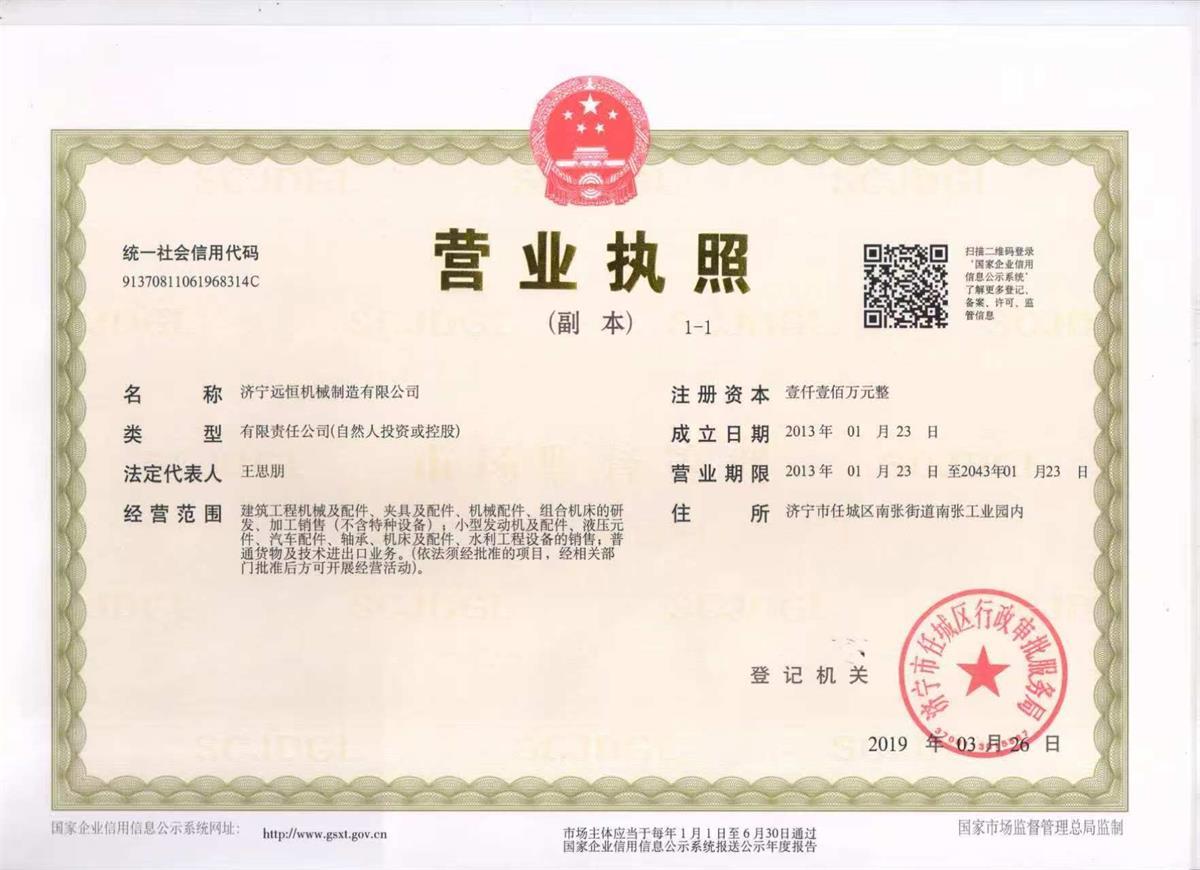
Start by verifying the company's legal status. Request the business license and check the registration date, registered capital, and approved business scope. A China mini excavator supplier with a stable operating history of at least eight to ten years has likely weathered market fluctuations and refined its production processes. Cross-reference the company name on the license with the name used on export documents to ensure you are dealing directly with the manufacturer, not a trading entity posing as a factory.
2. Manufacturing Experience
Ask how many years the company has specifically produced mini excavators, not just general machinery. A manufacturer that started with other products and only recently added excavators may still be climbing the learning curve. During your mini excavator factory inspection, inquire about the total number of units produced and exported annually. Experienced manufacturers can typically share detailed production records and are willing to provide references from long-term dealer partners.
3. Production Capacity
Understanding capacity helps you gauge whether the factory can handle your order volume as your dealership grows. Ask about monthly output, number of assembly stations, and current capacity utilization. A China excavator factory that is already running at full capacity may struggle to accommodate your orders during peak seasons. Also confirm whether mini excavator production shares lines with other products, which can affect consistency and lead times.
4. Factory Facilities
Walk through the production area and observe the overall organization. A professional mini excavator factory maintains clean, well-lit workspaces with clearly marked material storage zones. Look for modern sheet metal processing equipment such as laser cutting machines, CNC bending centers, and organized welding stations. The condition of the equipment and how workers interact with it reveals a great deal about management's commitment to quality.
5. Welding Quality
Structural integrity starts with weld quality. Inspect the chassis, boom, and arm assemblies for consistent weld beads without porosity, cracks, or excessive spatter. A serious construction equipment manufacturer will have welding procedure specifications and qualified welders. Ask whether the factory conducts non-destructive testing on critical welds, such as ultrasonic or dye penetrant inspection, to verify internal soundness.
6. Painting Process
Corrosion protection is critical for machines that will be shipped across oceans and used in harsh environments. Observe the surface preparation steps: is there a shot blasting or chemical cleaning stage before painting? A durable finish requires proper priming and curing, not just a single coat of paint applied over mill scale. Ask about the paint brand, film thickness standards, and adhesion testing procedures during your mini excavator supplier evaluation.
7. Assembly Process
The assembly line should follow a logical flow with defined stations for chassis preparation, engine and hydraulic installation, cab or canopy fitting, and final trim. Each station should have clear work instructions visible to operators. During your audit, note whether torque tools are calibrated and whether components such as hoses and fittings are capped to prevent contamination before installation.
8. Quality Inspection System
A structured quality system separates consistent manufacturers from unreliable ones. Ask to see the quality manual, incoming material inspection records, and in-process check sheets. The factory should have dedicated quality control personnel, not just production supervisors performing occasional checks. Verify whether the company holds current certifications relevant to your market and whether those certifications cover the specific mini excavator models you plan to purchase.
For dealers importing machines into Europe, certification verification is especially important. Read our guide on how to verify CE compliance before importing mini excavators .
9. Hydraulic Components
The hydraulic system determines machine performance and long-term reliability. Request a detailed bill of materials showing the brands and model numbers for the main pump, control valve, swing motor, and travel motors. Reputable China mini excavator supplier partners are transparent about their hydraulic component sources, whether they use international brands or established domestic manufacturers. Confirm that the factory can supply these exact components as spare parts when needed.
10. Engine Suppliers
Engine choice affects emissions compliance, fuel efficiency, and parts availability in your market. Verify which engine brands the factory offers and request valid emission certification documents for your target regions. A flexible mini excavator factory should be able to install different engine options depending on your market requirements, while maintaining proper cooling system integration and mounting integrity.
11. Spare Parts Availability
Dealer profitability relies heavily on the ability to supply replacement parts quickly. Inspect the spare parts warehouse directly. It should be organized with clear labeling and sufficient stock of high-wear items such as tracks, sprockets, idlers, bucket teeth, hydraulic hoses, and filter kits. Request a recommended spare parts list for the first year of operation and ask about typical dispatch times for emergency orders.
12. Testing Procedures
Every machine should undergo a standardized testing protocol before it leaves the factory. Observe the testing area and ask to see a completed test report. A thorough mini excavator factory inspection includes verifying that each excavator runs through hydraulic function tests, travel and swing tests, engine performance checks, and leak inspections. Some manufacturers also conduct simulated digging cycles to ensure the complete system functions correctly under load.
13. OEM Capability
If you plan to sell under your own brand, evaluate the factory's experience with private-label projects. Ask to see samples of previous OEM work, including customized paint colors, decal designs, and operator manuals translated into different languages. A capable China excavator factory should have an established process for managing OEM orders, from design approval to final packaging with your brand identity.
14. Export Experience
Shipping construction equipment internationally requires expertise in container loading, corrosion protection, and export documentation. Review the factory's export history: which countries have they shipped to, and can they provide references from dealers in those markets? Ask about their standard export packaging, which should include reinforced steel frames, protective wrapping, and proper machine securing to prevent damage during ocean transit.
15. After-Sales Support
Technical support does not end when the container leaves the port. Evaluate the factory's service infrastructure by asking about the size and English proficiency of their after-sales team. Inquire about service manual availability, troubleshooting documentation, and typical response times for technical inquiries. A committed construction equipment manufacturer will also offer remote diagnostic support and, when necessary, can arrange technician visits to resolve complex issues.
Questions to Ask During a Mini Excavator Factory Audit
Beyond the physical inspection, the following questions help uncover the operational depth and dealer support philosophy of a China mini excavator supplier. Ask these directly during your factory visit or remote evaluation call.
A factory audit is one important step in supplier selection. For a complete overview of choosing the right manufacturing partner, dealers can also review our China mini excavator manufacturer guide for dealers.
- Can you provide a copy of your business license and export license for verification?
- How many mini excavators did you produce and export in the past twelve months?
- What are the specific brands and model numbers of the hydraulic pump, main control valve, and travel motors used in your current production models?
- Do you have documented quality control procedures for incoming materials, in-process inspection, and final machine testing?
- Can I see a complete test report for a machine that is ready for shipment today?
- How do you ensure welding consistency across production batches, and what qualifications do your welders hold?
- What paint pretreatment process do you use, and what is the specified dry film thickness for the finish?
- Which engine options are available with valid emission certifications for my target markets?
- Do you maintain an organized spare parts warehouse, and can you provide a recommended first-year parts stocking list?
- How many English-speaking service engineers are on your team, and what is the standard response time for technical support inquiries?
- Can you share contact details for two or three international dealers who have worked with you for more than three years?
Red Flags When Evaluating a Mini Excavator Supplier
Some warning signs are easy to overlook during the excitement of sourcing. Stay alert for the following red flags when evaluating a mini excavator factory or any China excavator factory candidate.
- Reluctance to allow a factory visit or live video tour. A legitimate manufacturer has nothing to hide and should welcome transparency. If the supplier offers only a showroom or office visit without access to the actual production floor, reconsider the relationship.
- Unclear or changing specifications. If the component brands and technical parameters shift between your inquiry and the proforma invoice without explanation, the supplier may be sourcing inconsistently or substituting lower-cost parts.
- Poor documentation. Missing quality certificates, incomplete test reports, or handwritten records that cannot be verified are signs of weak process control. A professional construction equipment manufacturer maintains organized, traceable documentation.
- Unstable production volume. If the factory cannot clearly state its current monthly output or frequently pauses production due to material shortages, your order timeline may be at risk.
- No dedicated after-sales structure. Be cautious if the same salesperson handles all technical questions and no service engineers are available for a direct conversation. After-sales support requires specialized knowledge and a dedicated team structure.
How YHMG Maintains Manufacturing Quality
Jining Yuanheng Machinery Manufacturing Co., Ltd. (YHMG) approaches quality as a continuous process rather than a final inspection step. As a China mini excavator manufacturer focused on dealer partnerships, we have structured our production management to deliver consistency that dealers can trust. From material receiving to container loading, each stage follows documented procedures designed to produce reliable machines batch after batch.
Production management. Our mini excavator assembly lines operate with defined workstations and clear standard operating procedures. Each station addresses specific assembly tasks, and production supervisors verify critical torque values and hydraulic connections before the machine moves to the next stage. This systematic approach reduces variation and catches potential issues early in the process.
Quality control. YHMG maintains a dedicated quality team that conducts incoming material checks, in-process inspections, and final machine testing. Every mini excavator undergoes hydraulic function verification, travel and swing testing, and a thorough visual inspection before being approved for packaging. We maintain records of these tests and can share documentation with dealer partners.
Dealer support. We understand that a factory audit is only the beginning of a partnership. YHMG provides English-language service manuals, recommended spare parts lists, and ongoing technical communication to support our dealers after the sale. Our team is available for video calls to assist with diagnostics and service questions. To learn more about how we work with distributors, visit our dealer partnership page or explore the mini excavator models we currently produce.
Dealers who are evaluating supplier partnerships can also review our guide on mini excavator dealer requirements to better understand the cooperation process.
If you are preparing a mini excavator factory audit checklist and would like to schedule a remote tour or request production documentation, contact YHMG to start the conversation.
Frequently Asked Questions
Why is a factory audit necessary when there are many positive reviews online?
Online reviews and testimonials can be helpful, but they do not replace direct observation of manufacturing processes, quality control systems, and component sourcing practices. A factory audit gives you firsthand information about production consistency and the team's technical capability, which are critical for a long-term mini excavator supplier evaluation.
Can a small dealer conduct a remote factory audit effectively?
Yes. While an in-person visit provides the most complete picture, a structured video audit can still yield valuable information. Request a live tour of the production floor, testing area, and spare parts warehouse. Ask to see specific machines in various stages of assembly and request documentation to be shared on screen. A cooperative mini excavator factory will accommodate these requests.
How long should a factory audit take?
A thorough in-person audit typically requires a full day, including time to review documentation, walk the production line, observe testing, and discuss technical questions with engineering staff. Remote audits may take two to three hours of focused video calls. Rushed evaluations often miss important details.
What is the most overlooked item on a mini excavator factory audit checklist?
Many dealers focus heavily on machine specifications but skip a detailed review of the spare parts warehouse and after-sales support structure. A reliable construction equipment manufacturer invests in parts availability and service training because dealer success depends on it. This area deserves as much attention as the production line itself.
Does YHMG accept dealer audits and factory visits?
Yes. YHMG welcomes potential dealer partners to visit our production facility or schedule a comprehensive video tour. We provide documentation, answer technical questions, and demonstrate our quality control processes. To arrange a visit or remote audit, please reach out to our export team.
Conclusion
A disciplined approach to supplier selection protects your business from costly quality issues and builds the foundation for sustainable growth. By using this mini excavator factory audit checklist as your guide, you can evaluate China excavator factory candidates with confidence, moving beyond surface impressions to assess the manufacturing depth that truly matters. Each of the 15 audit points addresses a dimension of production quality, component integrity, and after-sales commitment that directly affects your dealership's reputation and profitability.
YHMG is a manufacturer that welcomes this level of scrutiny. We are ready to walk you through our production floor, share our quality records, and answer the detailed questions that serious dealers ask. Contact YHMG for factory cooperation and dealer opportunities and begin building a partnership based on verified manufacturing capability.
Latest News
5 Key Factors to Consider When Buying Rubber Tracks for Mini Excavators
5 Key Factors to Consider When Buying Rubber Tracks for Mini Excavators In the world of construction and excavation, mini excavators are invaluable tools that enhance productivity and efficiency. A significant component of these machines is the **rubber tracks** they rely on for mobility. Choosing the right rubber tracks for your mini excavator can be a daunting task due to various factors to co
2026-09-12
The Future of Construction: Exploring the Benefits of Electric Mini Excavators
Electric mini excavators are gaining popularity in the construction and manufacturing sectors due to their numerous advantages over traditional diesel-powered machines. These compact machines are designed for small to medium-sized projects and offer a wide range of applications, from landscaping to utility work. One of the most significant benefits of electric mini excavators is their environmenta
2026-09-09
The Role of Road Rollers in Sustainable Construction Practices
The Role of Road Rollers in Sustainable Construction Practices Table of Contents 1. Introduction to Road Rollers 2. Importance of Sustainable Construction 3. What Are Road Rollers? 4. Types of Road Rollers and Their Features 5. The Role of Road Rollers in Sustainable Construction 6. Environmental Impact and Efficiency 7. Case Studies of Road Rollers in Action 8. Fu
2026-09-06
Understanding Mini Excavator Buckets: Choosing the Right Tool for Your Project
When it comes to mini excavators, having the right bucket attachment is crucial for optimizing performance and achieving desired outcomes in various construction and excavation projects. Mini excavator buckets come in a variety of designs and sizes, each tailored for specific tasks, making it essential to understand the options available. One of the primary distinctions among mini excavator bucket
2026-09-03
Choosing the Perfect Dumper: Key Features to Consider for Mining Machinery
Choosing the Perfect Dumper: Key Features to Consider for Mining Machinery Table of Contents 1. Introduction to Dumpers in the Mining Industry 2. Importance of Selecting the Right Dumper 3. Key Features to Consider When Choosing a Dumper 3.1. Load Capacity 3.2. Engine Performance 3.3. Design and Build Quality 3.4. Safety Features 3.5. Technology and Automa
2026-08-31
Understanding Compact Crawler Dumpers: Essential Equipment for Mining Operations
Compact crawler dumpers are specialized vehicles designed for efficient material transport in tight and challenging environments, particularly in the mining and construction sectors. Their compact size and robust capabilities make them an ideal choice for various applications, especially where traditional dumper trucks may struggle due to space constraints or terrain challenges. One of the primary
2026-08-28

YHMG manufactures high-quality compact construction machinery, including mini excavators, skid steer loaders, wheel loaders, site dumpers, road rollers, and related equipment. We are committed to delivering reliable products, competitive pricing, and professional OEM/ODM services to customers worldwide.
CONTACT US
Add : Within the Nanzhang Industrial Park, Jining, Shandong, China


REQUEST A FREE QUOTE
Copyright 2026 : Jining Yuanheng Machinery Manufacturing Co., Ltd. Powered by:CEglobal SEO BUSINESS LICENSE