Mini Excavator Attachments Guide: How to Choose the Right Attachments for Every Job
Release time:
2026-07-22
Choosing the right mini excavator attachments can dramatically improve productivity, machine utilization, and return on investment. This comprehensive guide explains the most common excavator attachments, including buckets, hydraulic breakers, augers, grapples, tilt buckets, ripper teeth, compactors, and quick couplers. Learn how to select attachments based on job type, excavator size, hydraulic compatibility, maintenance requirements, and common buying mistakes. Whether you are an equipment dealer, contractor, rental company, or fleet manager, this guide provides practical recommendations for building a versatile and profitable mini excavator attachment fleet.
Mini Excavator Attachments Guide: How to Choose the Right Attachments for Every Job
This guide draws on equipment application knowledge gathered from contractors, rental operators and equipment distributors across multiple industries. Attachment recommendations are based on common machine capabilities and job site demands. Because every excavator model, hydraulic system and working environment is different, always verify compatibility with your machine manufacturer and attachment supplier before purchasing or deploying any attachment.
Who Should Read This Guide?
- Equipment dealers and distributors advising customers on attachment selection and machine configuration
- General contractors and specialist trades looking to expand the capability of a mini excavator fleet
- Rental companies building an attachment inventory that serves multiple customer segments
- Landscaping, agricultural and municipal operators who need one machine to perform many different tasks
- End buyers and owner‑operators purchasing a first mini excavator and wanting to understand the full range of mini excavator attachments available
Key Takeaways
- The right excavator attachments can double or triple the number of revenue‑generating tasks a single mini excavator can perform.
- Attachment compatibility is determined by hydraulic flow, operating pressure, pin dimensions, machine weight and quick coupler configuration — not just by excavator weight class.
- A well‑chosen mini excavator bucket collection (standard, trenching, grading, tilt) covers the majority of daily digging, backfilling and finishing work.
- Hydraulic breaker, excavator auger and grapple attachment investments deliver the fastest payback in construction, landscaping and demolition applications.
- Using a quick hitch or quick coupler dramatically reduces attachment changeover time and increases overall fleet utilisation.
- Proper attachment maintenance — daily greasing, hose inspection and clean storage — extends service life and prevents unexpected downtime.
Table of Contents
- Why Attachments Matter
- Core Attachment Categories at a Glance
- Choosing Attachments by Job Type
- Choosing Attachments by Excavator Size
- Attachment Compatibility Essentials
- Common Buying Mistakes
- Attachment Maintenance and Care
- Attachment Selection Checklist
- Attachment Comparison at a Glance
- Decision Framework: Which Attachment for Which Task
- Frequently Asked Questions
- Building a Versatile Mini Excavator Attachment Fleet
Why Attachments Matter
A mini excavator is fundamentally a power unit that pushes hydraulic fluid and moves a front linkage. The attachment on the end of that linkage determines whether the machine digs a trench, breaks concrete, drills a hole or loads a truck. Without a well‑chosen set of excavator attachments, a contractor owns a single‑purpose machine; with the right attachments, the same compact excavator becomes a mobile tool carrier capable of tackling a wide range of profitable jobs.
For equipment dealers and rental companies, attachments also represent a significant after‑sales revenue stream. A customer who buys or rents a machine with a standard mini excavator bucket often returns within weeks to purchase a trenching bucket, a hydraulic hammer or an auger drive. Our mini excavator product range includes models that are pre‑configured for a wide variety of hydraulic and mechanical attachments, making it easier to offer bundled machine‑plus‑attachment packages.
Beyond revenue, attachments improve machine utilisation. A mini excavator that sits idle for two days a week because it lacks the right tooling is a depreciating asset. Adding a tilt bucket for grading or a grapple attachment for material handling can fill those idle days with chargeable work. Before investing in any mini excavator accessories, it is worth reviewing the fundamentals of machine selection — our mini excavator buyer’s guide helps match the right carrier to the intended attachment workload.
Core Attachment Categories at a Glance
The ten categories below account for the vast majority of dealer parts counters and contractor toolboxes. Detailed buying considerations, sizing and compatibility guidance follow in later sections.
| Attachment | Primary Use | Hydraulic Required? | Typical Industries |
|---|---|---|---|
| Standard Bucket | General digging, loading, backfilling | No | Construction, landscaping, agriculture |
| Trenching Bucket | Narrow trenching for pipes and cables | No | Utilities, drainage, irrigation |
| Grading Bucket | Finish grading, sloping, snow removal | No | Landscaping, municipal, road maintenance |
| Tilt Bucket | Angled grading and ditching without repositioning | Yes | Landscaping, roadwork, slope finishing |
| Hydraulic Breaker | Breaking concrete, asphalt, rock, frozen ground | Yes | Demolition, construction, quarrying |
| Auger Drive | Drilling holes for posts, trees, piers | Yes | Fencing, landscaping, agriculture |
| Grapple | Grabbing logs, brush, rocks, debris | Yes | Forestry, demolition, land clearing |
| Ripper | Fracturing hard ground, frost, soft rock | No | Utility, demolition, agriculture |
| Quick Hitch / Coupler | Rapid attachment changes | Optional | All industries using multiple attachments |
| Compactor Plate | Compacting soil, gravel, asphalt in trenches | Yes | Utility, road repair, foundation work |
Dealer Tip: Most new dealers and rental fleets begin with a standard bucket, trenching bucket and hydraulic breaker. This trio covers the most common customer requests across construction, utility and landscaping segments. Add a grading bucket and auger as demand grows.
A note on thumbs: A mechanical or hydraulic thumb turns a standard bucket into a basic grapple. It is a popular, lower‑cost alternative for occasional material handling. A hydraulic thumb requires an auxiliary circuit, whereas a mechanical thumb is manually positioned.
Choosing Attachments by Job Type
Many first‑time buyers and even experienced operators choose attachments by starting with the task, not the tool. The table below maps common job categories to the attachments most frequently paired with them, along with notes on why each combination works. Use this as a starting point, then verify machine compatibility before ordering.
| Job Category | Primary Attachments | Supporting Attachments | Notes |
|---|---|---|---|
| General construction | Standard bucket, trenching bucket, quick coupler | Hydraulic breaker, compactor | Most hours are spent digging and backfilling; breaker used for occasional concrete removal. |
| Landscaping | Grading bucket, tilt bucket, auger | Standard bucket, thumb | Precision grading and planting holes are core tasks; a thumb helps move boulders and timber. |
| Agriculture | Trenching bucket, auger, grapple | Standard bucket, ripper | Drainage trenches, fence post holes and material handling dominate farm use. |
| Municipal and road maintenance | Grading bucket, tilt bucket, compactor | Hydraulic breaker, quick coupler | Roadside grading, pothole repair and culvert work require smooth finishing and rapid attachment changes. |
| Utility installation | Trenching bucket, ripper, compactor | Quick coupler, auger | Narrow trenches for pipe and cable, often in hard ground; compaction for reinstatement. |
| Demolition | Hydraulic breaker, grapple | Ripper, thumb, quick coupler | Breaking concrete and sorting debris are the two primary activities. |
| Forestry and land clearing | Grapple, ripper | Standard bucket, thumb | Grapple handles logs and brush; ripper breaks roots and hard ground. |
| Rental fleet (general purpose) | Standard bucket, trenching bucket, auger, breaker | Quick coupler, tilt bucket | Rental customers expect a range of attachments; quick coupler is essential for fast turnaround. |
Choosing Attachments by Excavator Size
An attachment that works brilliantly on a 5‑ton machine may be completely unsuitable for a 1.5‑ton mini excavator. The key sizing parameters are hydraulic flow and pressure, lifting capacity, machine weight and the physical pin dimensions of the coupler. The table below provides typical attachment recommendations by excavator weight class. For a more detailed breakdown of machine dimensions and capabilities, refer to our mini excavator size guide.
| Excavator Size | Bucket Width Range (Typical) | Recommended Hydraulic Attachments | Notes |
|---|---|---|---|
| 1–1.5 ton | 6–12 in (150–300 mm) | Small auger (up to 12 in bit), mini breaker (up to 150 ft‑lb class), thumb | Limited auxiliary flow; prioritise lightweight attachments. |
| 1.5–2.5 ton | 9–18 in (230–450 mm) | Auger (up to 18 in bit), breaker (150–300 ft‑lb), small grapple, tilt bucket | Good balance of capability and transportability; most popular class for rental. |
| 3–4 ton | 12–24 in (300–600 mm) | Breaker (300–500 ft‑lb), auger (up to 24 in), grapple, compactor plate | Sufficient flow for continuous hydraulic attachment use. |
| 5–6 ton | 18–30 in (450–750 mm) | Breaker (500–750 ft‑lb), auger (up to 30 in), heavy grapple, ripper | Consider high‑flow auxiliary circuit for maximum productivity. |
| 8–10 ton | 24–36+ in (600–900+ mm) | Breaker (750–1,500 ft‑lb), large auger, demolition grapple, compactor | Often used in production environments; high‑flow hydraulics strongly recommended. |
In addition to size class, the operating environment influences attachment choice. Machines working in muddy or soft ground benefit from wider buckets that reduce ground pressure, while those operating on slopes need to keep the attachment weight within the machine’s stability limits. Our rubber vs steel tracks guide discusses how undercarriage choice interacts with attachment selection and job site conditions.
Attachment Compatibility Essentials
Attachment compatibility extends well beyond physical fit. The most common cause of attachment‑related machine damage is not a mechanical failure of the attachment itself, but an incompatibility in hydraulic flow, operating pressure or machine balance. The checklist below covers the key compatibility factors to verify before purchasing any hydraulic attachment.
- Pin dimensions and stick geometry. The attachment’s pin diameter, ear spacing and stick end geometry must match the machine. Even within the same weight class, different manufacturers use different pin sizes. A quick coupler must be matched to both the machine and the attachment interface.
- Hydraulic flow and pressure. Every hydraulic attachment has a required flow range (gallons per minute or litres per minute) and maximum operating pressure (psi or bar). The carrier machine’s auxiliary circuit must deliver flow within the attachment’s specified range and must not exceed the attachment’s pressure rating. Exceeding the pressure rating can rupture hoses or damage seals; insufficient flow results in sluggish performance.
- Machine weight and lifting capacity. A heavy attachment reduces the machine’s net lifting capacity. The excavator must be able to lift the attachment plus the maximum load (bucket of material, log, concrete chunk) at the required working radius without tipping. Always check the machine’s lift chart with the attachment weight included.
- Counterweight and stability. Mounting a heavy breaker or grapple on a machine without adequate counterweight can make the excavator unstable, especially when working on slopes or lifting over the side. Some manufacturers offer additional counterweight options for attachment‑intensive applications.
- CE and regulatory compliance. In European markets, attachments that are sold as part of a machine must meet the applicable directives. Our CE certified supplier guide explains what documentation to request from the attachment manufacturer. Using non‑compliant attachments can also affect the machine’s warranty — our mini excavator warranty guide details how unapproved attachments may void coverage.
⚠ Common Mistake: Many buyers match attachments only by excavator weight class. Actual compatibility also depends on hydraulic flow, operating pressure, pin dimensions and coupler interface. Always request a written compatibility statement from the attachment supplier referencing your exact machine make, model and serial number.
Compatibility Quick Reference: Before ordering any attachment, ask the supplier for a written compatibility statement. A reputable excavator attachments supplier will provide this without hesitation. Keep this document in your machine service file for warranty and insurance purposes.
Common Buying Mistakes
- Buying the wrong breaker size. The most expensive mistake is mounting a breaker that is too large for the machine. This leads to boom and arm cracking, excessive bushing wear and hydraulic overheating. Follow the manufacturer’s published attachment weight and flow limits, not sales claims.
- Purchasing attachments without a quick coupler plan. If you intend to switch attachments frequently, decide on the quick hitch system first, then buy attachments that are compatible with that system. Mixing coupler brands and pin standards creates a logistical headache.
- Ignoring auxiliary hydraulic requirements. Some machines are plumbed with a single auxiliary circuit; others have a second circuit (often called a two‑way or proportional circuit). Attachments like tilt buckets and grapples with multiple functions may require a second circuit that the base machine does not have.
- Under‑investing in bucket variety. Many contractors buy one standard bucket and stop. Adding a trenching bucket and a grading bucket costs a fraction of the machine investment but dramatically expands the range of jobs that can be completed efficiently.
- Overlooking attachment weight. A heavy attachment reduces lifting capacity and increases fuel consumption. The net capacity after subtracting the attachment and bucket weight is what matters on the job site — always calculate this before buying.
Dealer Tip: When helping a customer select attachments, always ask two questions first: “What material are you working in?” and “What is your most frequent task?” The answers almost always point to the right attachment category before you even look at a specification sheet.
Attachment Maintenance and Care
Attachments operate in abrasive, high‑stress environments. A consistent maintenance routine prevents premature wear and keeps attachments safe to use. For a comprehensive look at replacement components, our mini excavator spare parts guide covers common wear items including bucket teeth, pins, bushings and hydraulic filters.
- Daily inspection. Check for cracks in the attachment structure, especially around high‑stress areas such as the bucket ear mounts, breaker housing and grapple pivot points. Inspect hydraulic hoses for cuts, abrasion or leaks before starting work.
- Greasing. Pivot pins, bushings and coupler locking mechanisms must be greased daily or at the intervals specified by the attachment manufacturer. Lack of grease accelerates pin and bushing wear exponentially.
- Hydraulic hose condition. Replace hoses that show visible wear, cracking or bulging. A burst hydraulic hose on an attachment can inject oil into the operator’s skin — this is a serious safety hazard. Always relieve residual pressure before disconnecting hoses.
- Storage. Store attachments on a dry, level surface, preferably under cover. Buckets can be stored outside but should be cleaned of corrosive materials. Hydraulic attachments should have their hose ends capped to prevent contamination.
- Replacement intervals. Bucket teeth, adapter noses, cutting edges and breaker tool bits are consumable wear items. Replace them before they are completely worn to the point of damaging the parent metal. A worn tooth can destroy the bucket adapter, turning a $20 replacement into a $200 welding repair.
Attachment Selection Checklist
Use this checklist when evaluating any new attachment purchase for a mini excavator fleet.
- □ Confirm the attachment’s pin dimensions match the machine’s coupler or quick hitch
- □ Verify hydraulic flow and pressure requirements are within the machine’s auxiliary circuit specifications
- □ Check the attachment’s weight and subtract it from the machine’s rated lifting capacity
- □ Confirm that the machine has adequate counterweight for the attachment’s operating weight and working radius
- □ If the attachment requires a second auxiliary circuit, verify that the machine is plumbed for it
- □ Obtain written confirmation from the attachment supplier that the attachment is compatible with the machine’s make and model
- □ For European operations, request CE or UKCA documentation for the attachment
- □ Ensure that the attachment does not void the machine’s warranty — review the manufacturer’s approved attachment policy
- □ Plan storage location and required maintenance resources (grease, tools, spare hoses)
- □ Evaluate the attachment’s return‑on‑investment based on expected annual utilisation hours and billable revenue
Attachment Comparison at a Glance
| Attachment | Typical Jobs | Hydraulic Required? | Operator Skill Level | Typical ROI Period | Best Machine Size |
|---|---|---|---|---|---|
| Standard bucket | Digging, backfilling, loading | No | Basic | Immediate (core tool) | All sizes |
| Trenching bucket | Pipe and cable trenching | No | Basic | 1–3 months | 1.5–5 ton |
| Grading bucket | Finishing, landscaping, snow | No | Intermediate | 3–6 months | 2–8 ton |
| Tilt bucket | Slope grading, ditching | Yes | Advanced | 6–12 months | 2–6 ton |
| Hydraulic breaker | Demolition, rock breaking | Yes | Intermediate | 3–9 months | 2–10 ton |
| Auger drive | Hole boring, post holes | Yes | Basic | 4–10 months | 1.5–6 ton |
| Grapple | Material handling, brush | Yes | Intermediate | 6–12 months | 3–8 ton |
| Ripper | Hard ground, frost, light demolition | No | Basic | 2–6 months | 2–8 ton |
| Compactor plate | Trench reinstatement, asphalt compaction | Yes | Intermediate | 6–12 months | 3–6 ton |
Decision Framework: Which Attachment for Which Task
Start with the task, not the tool. The sections below help you quickly identify the attachment category based on the primary job requirement. Once the category is identified, refer to the sizing and compatibility sections above to select the exact model.
If your main job is digging and excavation
- General digging, loading or backfilling: Standard bucket
- Narrow trench for pipes or cables: Trenching bucket
- Finish grading, sloping or cleaning: Grading bucket or Tilt bucket
- Hard, compacted ground or frost: Ripper, then bucket
If your main job is breaking and demolition
- Concrete, asphalt, rock: Hydraulic breaker
- Light slab demolition or hard ground: Ripper (alternative to breaker)
If your main job is drilling and boring
- Post holes, tree planting, piers: Auger drive with appropriate bit
If your main job is material handling and loading
- Logs, brush, debris: Grapple
- Rocks, stumps, irregular objects: Thumb + bucket
- Loose material loading: Standard bucket
If your main job is compaction
- Trench backfill, asphalt: Compactor plate
If you need rapid attachment changes
- All of the above: Quick hitch / Quick coupler
Pro Recommendation: A quick coupler is almost always the first attachment accessory to invest in. The time saved on every changeover translates directly into more billable hours per day and less operator fatigue.
Frequently Asked Questions
What is the most versatile attachment for a mini excavator?
A standard toothed bucket paired with a quick coupler is the most versatile combination. It covers the majority of digging and loading tasks and allows rapid switching to specialised attachments when needed.
Can I use the same attachments on different brands of mini excavators?
Only if the pin dimensions, stick width and hydraulic connections match. Using a quick hitch that is standardised to one coupler type can enable sharing attachments between machines, but the carrier machine’s hydraulic flow and lifting capacity must still be within the attachment’s specifications. Always consult the attachment manufacturer’s compatibility chart.
How do I know if a hydraulic breaker will fit my excavator?
Check three things: the breaker’s required hydraulic flow and operating pressure must fall within the excavator’s auxiliary circuit capabilities; the breaker’s total weight must not exceed the machine’s recommended attachment weight limit; and the top bracket or coupler interface must match. Breaker manufacturers publish carrier weight range recommendations — use these as a starting point, but verify the specific hydraulic numbers.
What size bucket should I use for trenching?
The trenching bucket should be slightly wider than the pipe or conduit being laid. A 12‑inch (300 mm) bucket is common for 4‑inch drain pipe; an 8‑inch (200 mm) bucket is suitable for narrow cable trenches. Using a bucket that is too wide wastes fuel and increases the volume of backfill material required.
Do tilt buckets work on all mini excavators?
Not all mini excavators are equipped with the necessary auxiliary hydraulic circuit to power a tilt bucket. Machines must have at least a single‑acting auxiliary circuit. Smaller machines may require a retrofit kit. Check your machine’s hydraulic specifications before ordering a tilt bucket.
How often should attachment pivot pins be greased?
Most attachment manufacturers recommend greasing all pivot points daily or every 8 operating hours. In wet or extremely dusty conditions, greasing twice a day may be necessary. Bucket pins on high‑usage machines should be greased every shift without exception.
Does using an aftermarket attachment void the excavator warranty?
It can, if the attachment causes damage to the machine. Many manufacturers specify that only approved attachments may be used without risking warranty coverage. Our warranty guide details how to verify which attachments are approved and what documentation to keep.
What is the difference between a mechanical thumb and a hydraulic thumb?
A mechanical thumb is manually positioned and locked into place before use. A hydraulic thumb is controlled from the operator’s seat and can be opened and closed without leaving the cab. Hydraulic thumbs offer faster cycle times and more precise control, but they require an auxiliary hydraulic circuit and add cost.
How much hydraulic flow does an auger need?
Auger drive flow requirements depend on the drive model and the auger bit diameter. A typical auger drive for a 2‑ton excavator may require 5–10 gallons per minute (20–38 litres per minute), while a drive for a 5‑ton machine may need 10–18 GPM (38–68 LPM). Always match the auger drive to the carrier’s auxiliary flow rating.
Are mini excavator attachments a good investment for rental companies?
Yes. Attachments increase machine utilisation and rental revenue per machine. Rental companies that offer a bucket selection and a hydraulic breaker with each mini excavator typically see higher rental frequency and longer average rental periods. Starting with a standard bucket, trenching bucket, auger and breaker provides a solid rental foundation.
How can I tell if an attachment is wearing out and needs replacement?
Excessive play in pivot points, visible cracks in structural plates, hydraulic cylinder drift and reduced performance are all signs that an attachment may need rebuilding or replacement. A bucket that has lost its original shape or a breaker that hits with noticeably less force should be inspected by a qualified technician.
Should I buy OEM attachments or aftermarket alternatives?
OEM attachments guarantee compatibility and are usually covered by the machine manufacturer’s warranty policy. Aftermarket attachments can offer cost savings and a wider variety of designs, but they require careful compatibility verification. For critical hydraulic attachments like breakers, many dealers prefer OEM or manufacturer‑approved alternatives to minimise risk.
Building a Versatile Mini Excavator Attachment Fleet
Attachment selection is not a one‑time decision. As a contractor’s project mix changes or a rental company’s customer base expands, the attachment fleet should evolve alongside the machine fleet. The most successful dealers and fleet managers treat attachments as a core component of the machine’s value proposition, not an accessory to be ordered later.
Begin with a high‑quality quick coupler and a set of buckets that cover the most frequent job requirements — standard digging, trenching and grading. Add a hydraulic breaker and an auger drive if demolition or hole boring is part of the regular workload. A grapple or thumb transforms material handling capability, and a tilt bucket brings precision to grading and slope work. Across all categories, choosing OEM‑approved excavator attachments from a supplier that provides compatibility documentation, CE certification where required, and after‑sales support will reduce long‑term risk.
Key Conclusions
- A single mini excavator equipped with a well‑chosen set of compact excavator attachments can replace multiple dedicated machines on the job site.
- Attachment compatibility goes beyond pin fit — hydraulic flow, operating pressure, lifting capacity and machine stability all play critical roles.
- Investing in a quick hitch is one of the highest‑return decisions a dealer or contractor can make; it enables rapid attachment changes and higher utilisation.
- Different industries need different attachment mixes — landscaping relies on grading and auger work, while demolition demands breakers and grapples.
- Proper daily maintenance, especially greasing and hose inspection, directly extends attachment service life and prevents costly field failures.
Recommended Reading
Attachments work best when the carrier machine is correctly specified and maintained. The following guides provide additional depth on related topics:
- Mini Excavator Buyer’s Guide — How to choose the right machine for your work before adding attachments.
- Mini Excavator Size Guide — Detailed dimensions, weights and capabilities by weight class.
- Rubber vs Steel Tracks Guide — How your undercarriage choice affects attachment performance and job site suitability.
- Mini Excavator Spare Parts Guide — Keeping your attachments and machine in working order with the right consumables.
- Mini Excavator Warranty Guide — Understanding how attachments interact with your machine’s warranty coverage.
- How to Choose a Mini Excavator Manufacturer — Evaluating suppliers for OEM attachment support and compatibility.
- CE Certified Mini Excavator Supplier Guide — Regulatory documentation for attachments sold in European markets.
Before purchasing any attachment, review the carrier machine’s specifications and confirm compatibility with the attachment supplier. For further guidance on selecting the right mini excavator platform for your attachment requirements, explore our mini excavator product range. When you are ready to discuss a dealership, fleet program or custom attachment configuration, contact our team or visit our authorized dealer page.
Latest News
5 Key Factors to Consider When Buying Rubber Tracks for Mini Excavators
5 Key Factors to Consider When Buying Rubber Tracks for Mini Excavators In the world of construction and excavation, mini excavators are invaluable tools that enhance productivity and efficiency. A significant component of these machines is the **rubber tracks** they rely on for mobility. Choosing the right rubber tracks for your mini excavator can be a daunting task due to various factors to co
2026-09-12
The Future of Construction: Exploring the Benefits of Electric Mini Excavators
Electric mini excavators are gaining popularity in the construction and manufacturing sectors due to their numerous advantages over traditional diesel-powered machines. These compact machines are designed for small to medium-sized projects and offer a wide range of applications, from landscaping to utility work. One of the most significant benefits of electric mini excavators is their environmenta
2026-09-09
The Role of Road Rollers in Sustainable Construction Practices
The Role of Road Rollers in Sustainable Construction Practices Table of Contents 1. Introduction to Road Rollers 2. Importance of Sustainable Construction 3. What Are Road Rollers? 4. Types of Road Rollers and Their Features 5. The Role of Road Rollers in Sustainable Construction 6. Environmental Impact and Efficiency 7. Case Studies of Road Rollers in Action 8. Fu
2026-09-06
Understanding Mini Excavator Buckets: Choosing the Right Tool for Your Project
When it comes to mini excavators, having the right bucket attachment is crucial for optimizing performance and achieving desired outcomes in various construction and excavation projects. Mini excavator buckets come in a variety of designs and sizes, each tailored for specific tasks, making it essential to understand the options available. One of the primary distinctions among mini excavator bucket
2026-09-03
Choosing the Perfect Dumper: Key Features to Consider for Mining Machinery
Choosing the Perfect Dumper: Key Features to Consider for Mining Machinery Table of Contents 1. Introduction to Dumpers in the Mining Industry 2. Importance of Selecting the Right Dumper 3. Key Features to Consider When Choosing a Dumper 3.1. Load Capacity 3.2. Engine Performance 3.3. Design and Build Quality 3.4. Safety Features 3.5. Technology and Automa
2026-08-31
Understanding Compact Crawler Dumpers: Essential Equipment for Mining Operations
Compact crawler dumpers are specialized vehicles designed for efficient material transport in tight and challenging environments, particularly in the mining and construction sectors. Their compact size and robust capabilities make them an ideal choice for various applications, especially where traditional dumper trucks may struggle due to space constraints or terrain challenges. One of the primary
2026-08-28

YHMG manufactures high-quality compact construction machinery, including mini excavators, skid steer loaders, wheel loaders, site dumpers, road rollers, and related equipment. We are committed to delivering reliable products, competitive pricing, and professional OEM/ODM services to customers worldwide.
CONTACT US
Add : Within the Nanzhang Industrial Park, Jining, Shandong, China


REQUEST A FREE QUOTE
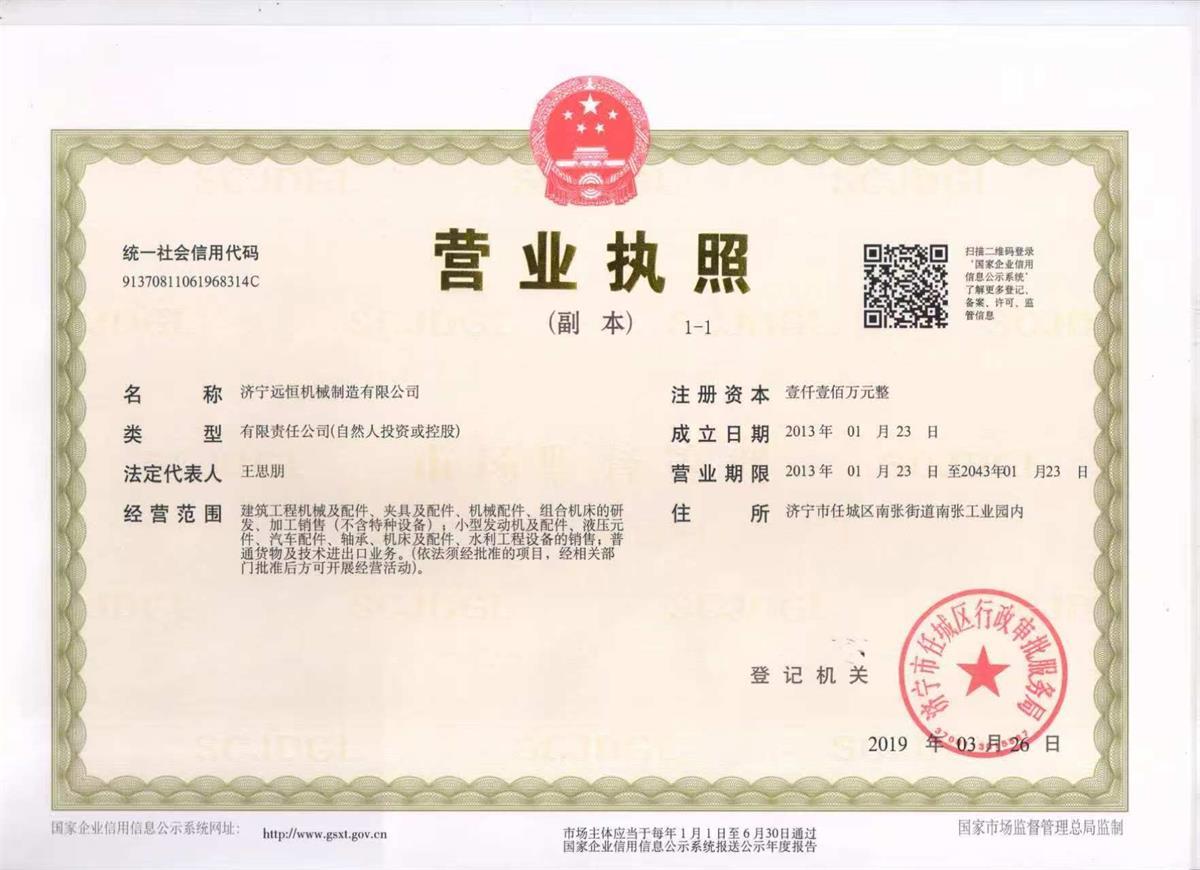
Copyright 2026 : Jining Yuanheng Machinery Manufacturing Co., Ltd. Powered by:CEglobal SEO BUSINESS LICENSE